Smart building interoperability standards are the backbone of modern connected properties. Without them, your security system can’t talk to your climate control, your access management lives in isolation, and your building operates as a collection of disconnected silos rather than an intelligent ecosystem. At Yanke Digital, we’ve seen firsthand how the right interoperability standards transform buildings from frustrating tech nightmares into seamlessly integrated smart spaces.
This guide explains what smart building interoperability standards are, why device compatibility matters, and how to choose systems that work together reliably.
What Are Smart Building Interoperability Standards?
Smart building interoperability standards are technical specifications that allow different devices, platforms, and systems to communicate and work together seamlessly. Think of them as a universal language for smart buildings—without them, devices from different manufacturers simply can’t understand each other.
These standards define how data flows between systems, how devices authenticate with each other, and how commands are transmitted across your building’s network. They’re the difference between a smart building that feels intuitive and one that requires constant manual workarounds.
The most widely recognized smart building interoperability standards include:
- Zigbee & Z-Wave: Low-power wireless protocols designed for home and building automation
- Matter: A newer, unified standard backed by major tech companies for cross-platform compatibility
- Thread: A mesh networking protocol that improves reliability and range
- BACnet & Modbus: Commercial building automation protocols widely used in HVAC and facility management
- KNX: A European standard for building control and automation
Why Device Compatibility Standards Matter for Your Building
Device compatibility standards aren’t just technical jargon—they directly impact your building’s functionality, security, and long-term value. Here’s why they matter:
Unified Control & Automation
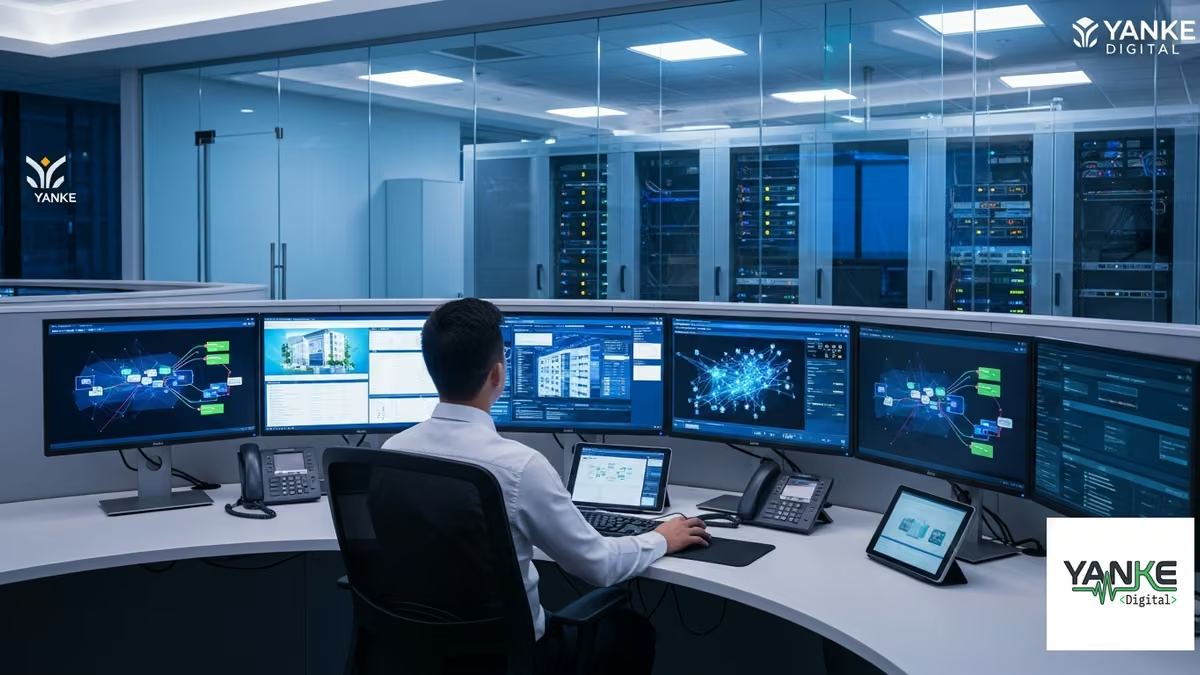
When devices follow the same interoperability standards, you can control your entire building from a single dashboard. Your security cameras, smart locks, thermostats, and environmental sensors all report to one system. This unified approach eliminates the need to juggle multiple apps and interfaces.
Future-Proof Investment
Buildings that rely on proprietary, non-standard systems become locked into a single vendor. When you invest in standards-based smart building interoperability, you retain flexibility to upgrade, replace, or add new devices without ripping out your entire infrastructure. This protects your investment over time.
Reduced Integration Costs
Custom integrations between incompatible systems are expensive and time-consuming. Standards-based device compatibility dramatically reduces integration complexity and cost. Your system integrator can focus on design and optimization rather than building custom bridges between incompatible platforms.
Enhanced Security
Established interoperability standards include security protocols and best practices. Devices that follow these standards benefit from peer-reviewed security measures, regular updates, and community scrutiny. Proprietary systems often lack this level of security oversight.
Key Building Automation Protocols Explained
Zigbee & Z-Wave: Residential & Light Commercial
Zigbee and Z-Wave are mesh-based wireless protocols designed for residential and light commercial applications. They operate on low power, which means devices can run for months or years on batteries. Both protocols support hundreds of devices on a single network and offer excellent range through mesh networking.
Best for: Residential homes, small apartments, condos, and light commercial spaces where wireless flexibility is important.
Matter: The Unified Future Standard
Matter is a newer interoperability standard developed by the Connectivity Standards Institute (formerly the Zigbee Alliance) and backed by Apple, Google, Amazon, and Samsung. It’s designed to unify the fragmented smart home landscape by providing a single, open standard that works across platforms and ecosystems.
Matter promises true device compatibility standards that eliminate the need to choose between ecosystems. A Matter-certified device works with any Matter-compatible hub, regardless of whether you use Apple HomeKit, Google Home, or Amazon Alexa.
Best for: New installations and upgrades where you want maximum flexibility and future-proof device compatibility.
BACnet & Modbus: Commercial & Enterprise
BACnet (Building Automation and Control Networks) and Modbus are industry-standard protocols for commercial building automation. They’re used extensively in HVAC systems, lighting control, energy management, and facility operations. These protocols are mature, reliable, and deeply integrated into enterprise building management systems.
Best for: Commercial buildings, office complexes, multi-family properties, and facilities that require enterprise-grade building automation protocols.
KNX: European Standard for Building Control
KNX is a standardized protocol widely used in Europe for building control and automation. It supports both wired and wireless communication and is particularly strong in lighting control, HVAC, and energy management. KNX devices are highly interoperable and offer excellent reliability.
Best for: European properties and organizations that prioritize standardized, vendor-independent building control.
Smart Building Interoperability Standards vs. Proprietary Systems
The choice between standards-based and proprietary systems is one of the most important decisions in smart building design. Here’s how they compare:
Standards-Based Systems
Advantages:
- Device compatibility across multiple manufacturers
- Lower long-term costs due to competitive pricing
- Future-proof—you’re not locked into one vendor
- Easier to upgrade or replace individual components
- Strong security through community oversight
- Extensive documentation and support resources
Considerations:
- Requires careful planning to ensure true interoperability
- May need a skilled integrator to optimize performance
- Standards evolve, requiring periodic updates
Proprietary Systems
Advantages:
- Tight integration optimized for specific use cases
- Single vendor support and responsibility
- Sometimes easier initial setup
Disadvantages:
- Vendor lock-in—you’re dependent on one company
- Higher long-term costs due to limited competition
- Difficult or impossible to integrate with other systems
- Risk of obsolescence if the vendor discontinues support
- Limited flexibility for future upgrades
How to Choose Standards-Based Smart Building Solutions
1. Define Your Building’s Needs
Start by identifying what you need your smart building to do. Are you focused on security, climate control, energy efficiency, or a combination? Are you managing a residential property, commercial building, or multi-family complex? Your specific needs will guide which interoperability standards make the most sense.
2. Verify Device Compatibility Certification
Look for devices that carry official certification from standards organizations. Zigbee-certified devices, Matter-certified products, and BACnet-compliant systems have been tested for true interoperability. Don’t rely on marketing claims—verify certification through official channels.
3. Plan for Integration
Even standards-based systems require thoughtful integration. Work with a system integrator who understands the specific protocols you’re using. They can design a unified control system that leverages your device compatibility standards to create a seamless user experience.
4. Consider Your Ecosystem
If you’re using smart home platforms like Apple HomeKit, Google Home, or Amazon Alexa, ensure your devices support the same ecosystem or use a bridge protocol like Matter. This ensures your smart building interoperability standards align with your preferred control platform.
5. Plan for Growth
Choose standards that support expansion. Can you easily add new devices in the future? Does the protocol support the scale you’ll need? A good interoperability standard should grow with your building’s needs.
Common Challenges with Smart Building Interoperability Standards
Fragmented Standards Landscape
The smart building industry still has multiple competing standards. While Matter is working to unify the landscape, many existing systems use Zigbee, Z-Wave, BACnet, or KNX. This fragmentation can make device compatibility challenging if you’re mixing older and newer systems.
Incomplete Manufacturer Support
Not all manufacturers fully embrace interoperability standards. Some devices claim compatibility but have limited functionality when used outside their native ecosystem. Always verify that the specific features you need work across your chosen interoperability standards.
Integration Complexity
Even with standards-based device compatibility, integrating multiple systems requires expertise. Network configuration, security settings, and automation logic all need careful planning. This is where working with an experienced system integrator becomes invaluable.
Performance & Reliability
Some interoperability standards work better than others in specific environments. Wireless protocols like Zigbee and Z-Wave can experience interference or range issues. Wired protocols like BACnet are more reliable but less flexible. Understanding these trade-offs is essential for choosing the right standard for your building.
Smart Building Interoperability Standards in Practice: Residential, Commercial & Multi-Family
Residential Homes
For residential properties, Matter and Zigbee offer excellent device compatibility and flexibility. Homeowners can mix and match devices from different manufacturers while maintaining unified control through platforms like Apple HomeKit or Google Home. This approach provides the best balance of choice, cost, and ease of use.
Commercial Buildings
Commercial properties typically benefit from BACnet or KNX standards, which are designed for enterprise-scale building automation. These protocols support complex automation logic, energy management, and facility operations. Device compatibility across commercial systems ensures reliable, scalable automation.
Multi-Family Properties
Multi-family buildings often use a hybrid approach. Common areas and building systems might use BACnet for central management, while individual units use Matter or Zigbee for resident-controlled smart home features. This layered approach provides both central control and resident flexibility.
The Role of System Integration in Smart Building Interoperability Standards
Choosing the right interoperability standards is only half the battle. The other half is expert system integration. A skilled system integrator can:
- Design a unified control system that leverages your device compatibility standards
- Configure automation logic that makes your building truly intelligent
- Optimize network performance and security
- Ensure all devices communicate reliably
- Create intuitive user interfaces for residents or facility managers
- Provide ongoing support and maintenance
At Yanke Digital, we specialize in designing custom smart building solutions that leverage the right interoperability standards for your specific property type and needs. Whether you’re managing a residential home, apartment complex, or commercial building, we ensure your devices work together seamlessly.
Looking Forward: The Future of Smart Building Interoperability Standards
The smart building industry is moving toward greater standardization and device compatibility. Matter represents a significant step forward, with major tech companies committing to unified interoperability standards. Over the next few years, expect:
- Broader adoption of Matter across residential and commercial devices
- Better integration between residential and commercial standards
- Improved security protocols and privacy protections
- More sophisticated automation and AI-driven building intelligence
- Greater emphasis on energy efficiency and sustainability
By choosing standards-based solutions today, you’re positioning your building to take advantage of these advances without costly rework.
Ready to Build a Smart Building with True Device Compatibility?
Smart building interoperability standards are the foundation of modern connected properties. Whether you’re designing a new system or upgrading an existing one, choosing the right standards ensures your devices work together reliably, your building remains flexible for future growth, and you avoid costly vendor lock-in.
At Yanke Digital, we design custom smart building solutions that leverage proven interoperability standards for residential homes, commercial buildings, and multi-family properties across Saskatchewan. We handle everything from initial design and device selection through expert integration and ongoing support.
Schedule a consultation with our team to discuss how smart building interoperability standards can transform your property. We’ll help you choose the right protocols, select compatible devices, and create a unified system that works the way you need it to.
For more information on how we approach smart building design, explore our complete smart home and commercial automation services or learn about our custom software design and system integration expertise.