
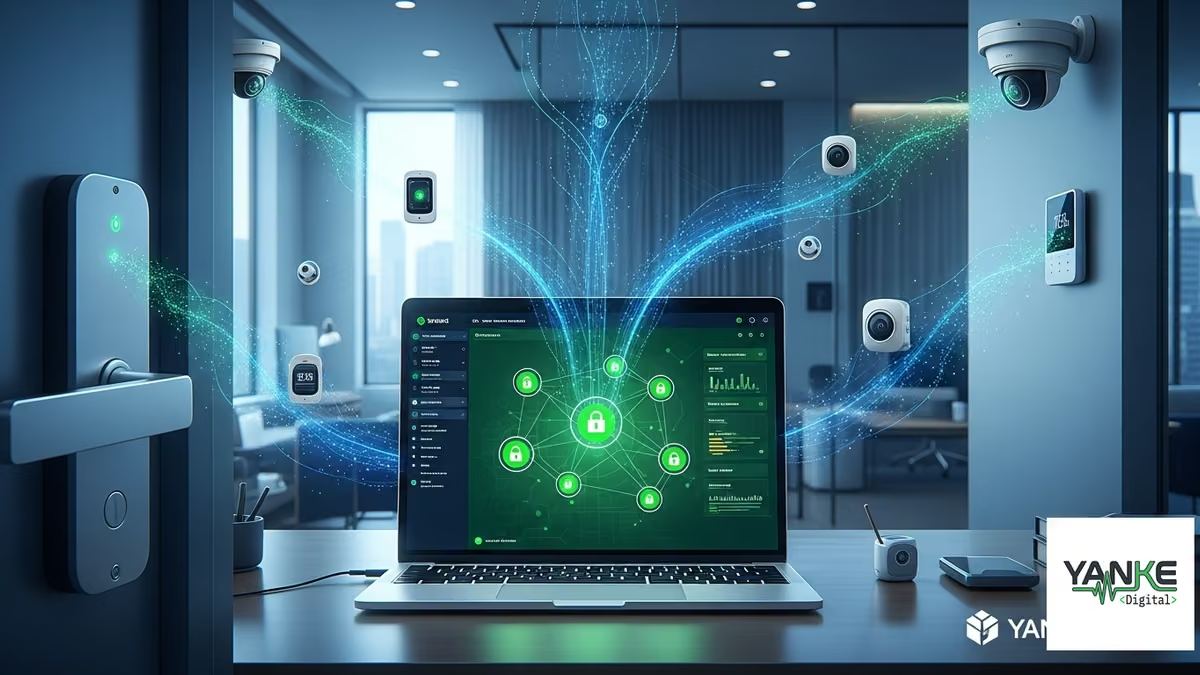
Smart buildings and connected automation systems are transforming how we work, live, and manage properties. But with every connected device comes a new vulnerability. Smart building cybersecurity threats are no longer theoretical—they’re actively targeting residential, commercial, and multi-dwelling properties right now. From ransomware attacks on building management systems to unauthorized access through compromised smart locks, the risks are real and growing. This guide walks you through the most pressing threats facing modern automation systems and practical steps to protect your property.
Why Smart Building Cybersecurity Threats Are Escalating
The proliferation of IoT devices in buildings has created an unprecedented attack surface. Smart thermostats, security cameras, access control systems, intercoms, and environmental sensors are all connected to networks—and many lack robust security by default. Unlike traditional IT infrastructure, building automation systems were often designed with convenience in mind, not cybersecurity.
Here’s what makes smart buildings attractive targets for attackers:
- High-value operational impact: Compromising climate control, security, or access systems can disrupt business operations or compromise occupant safety.
- Legacy systems mixed with new tech: Older building management systems often lack modern security patches and run on outdated protocols.
- Weak default credentials: Many IoT devices ship with default usernames and passwords that users never change.
- Limited visibility: Building managers often don’t know every connected device on their network, making it impossible to secure what you can’t see.
- Convergence of IT and OT networks: Smart buildings blur the line between information technology (IT) and operational technology (OT), creating security blind spots.
The result? A single compromised smart thermostat or security camera can become a foothold for attackers to access your entire building automation system.
Common Smart Building Cybersecurity Threats Explained
Ransomware Attacks on Building Management Systems
Ransomware targeting building automation systems is one of the fastest-growing threats. Attackers encrypt critical systems—like HVAC controls, access management, or surveillance—and demand payment for decryption keys. In commercial buildings, this can halt operations entirely. A healthcare facility or data center with compromised climate control faces immediate risk to equipment and occupants.
Unauthorized Access Through Compromised Smart Locks and Intercoms
Smart locks and intercom systems are convenient, but they’re also entry points. If an attacker gains access to your smart lock system through weak credentials or unpatched firmware, they can unlock doors remotely. This is particularly dangerous in multi-dwelling properties where a single breach affects dozens of units.
Data Breaches from Security Cameras and Surveillance Systems
Security cameras are often overlooked in cybersecurity planning, but they’re valuable targets. Compromised cameras can expose footage of sensitive areas, provide reconnaissance for physical break-ins, or become part of a botnet launching attacks on other systems. Many property managers don’t realize their surveillance system is accessible from the internet with default credentials.
IoT Device Protection Gaps
Environmental sensors, temperature monitoring devices, flood detection systems, and smart doorbells often run on firmware that’s never updated. These devices may lack encryption, use unencrypted communication protocols, or have no authentication mechanism. An attacker can intercept data, inject false readings, or use them as a pivot point to access the main network.
Smart Home Data Breach Prevention Failures
In residential and multi-dwelling properties, occupants often connect personal smart home devices (Alexa, Google Home, smart speakers) to building networks without IT oversight. These devices can expose the entire network if compromised. Additionally, cloud-based smart home platforms may store sensitive data—access logs, camera footage, occupancy patterns—that becomes a target for attackers.
The Real-World Impact of Building Automation Security Threats
Smart building cybersecurity threats aren’t abstract risks. Here’s what happens when security fails:
- Operational disruption: Compromised HVAC or lighting systems can make buildings uninhabitable or unusable.
- Safety risks: Disabled security systems, malfunctioning access controls, or compromised fire alarm integration create immediate danger.
- Financial loss: Ransomware payments, system restoration, legal liability, and downtime costs add up quickly.
- Reputational damage: A data breach involving occupant information or surveillance footage damages trust and can trigger regulatory fines.
- Compliance violations: Many industries (healthcare, finance, government) have strict cybersecurity requirements. A breach can result in penalties and loss of certifications.
Essential Strategies to Protect Your Smart Building Systems
1. Implement Network Segmentation
Separate your building automation network from your general IT network. This prevents an attacker who compromises a single device from accessing your entire system. Use VLANs (virtual local area networks) and firewalls to isolate critical systems like access control and surveillance from guest WiFi and general office networks.
2. Change Default Credentials Immediately
This is the easiest and most overlooked step. Every smart lock, camera, thermostat, intercom, and sensor should have a unique, strong password. Default credentials are the first thing attackers try. Document all credentials in a secure password manager and rotate them regularly.
3. Enable Continuous Monitoring and Visibility
You can’t secure what you can’t see. Maintain a complete inventory of all connected devices, their firmware versions, and their network locations. Use monitoring tools to detect unusual activity—unexpected data transfers, failed login attempts, or devices communicating outside normal patterns. Real-time alerts help you respond to threats before they escalate.
4. Keep Firmware and Software Updated
Firmware updates patch known vulnerabilities. Establish a regular update schedule for all devices—smart locks, cameras, thermostats, sensors, and building management systems. Test updates in a non-critical environment first to ensure they don’t disrupt operations.
5. Enforce Secure Access Management
Use multi-factor authentication (MFA) for all administrative access to building systems. Limit who can access critical systems and use role-based access control—a maintenance technician shouldn’t have the same permissions as a security administrator. Audit access logs regularly to detect unauthorized attempts.
6. Secure Your WiFi Integration
If your smart building systems rely on WiFi, use WPA3 encryption (or WPA2 at minimum) and disable WPS (WiFi Protected Setup). Create separate networks for building automation devices and guest access. Monitor for rogue access points and use a WiFi intrusion detection system to identify suspicious activity.
7. Develop an Incident Response Plan
Know what to do if a breach occurs. Document procedures for isolating compromised systems, notifying stakeholders, preserving evidence, and restoring operations. Test your incident response plan regularly so your team can execute it quickly under pressure.
Building Automation Security Threats: A System Integrator’s Perspective
At Yanke Digital, we design smart building systems with security built in from day one. Rather than retrofitting security onto existing systems, we integrate cybersecurity into the architecture. This means:
- Custom design for your environment: Every building is different. We assess your specific risks and design a system that balances convenience with protection.
- Proper device selection: We choose security cameras, smart locks, intercoms, thermostats, and sensors from manufacturers with strong security track records and regular update cycles.
- Expert integration: Our team ensures all devices communicate securely, with proper encryption and authentication. No silos, no compatibility headaches—just one intelligent, protected system.
- Ongoing support and maintenance: Security isn’t a one-time installation. We provide continuous monitoring, firmware updates, and system maintenance to keep your smart building secure 24/7.
- Future-proof design: Systems designed with flexibility in mind, ready to adapt as threats evolve and new security standards emerge.
Whether you’re protecting a residential home, apartment building, condo, or commercial office, our approach is the same: custom design and expert integration that simplifies complex technology while keeping your property secure.
Smart Home Data Breach Prevention: Residential and Multi-Dwelling Considerations
Residential properties face unique cybersecurity challenges. Occupants often bring personal smart devices into the home or apartment, creating security blind spots. Here’s how to minimize risk:
- Educate occupants: Provide clear guidance on password security, device updates, and safe WiFi practices. Simplification and education are core to our approach at Yanke Digital.
- Separate networks: Keep building-managed systems (smart locks, intercoms, security cameras) on a secure network separate from occupant WiFi.
- Monitor access control: Smart locks and intercoms should log all access attempts. Review logs regularly for suspicious activity.
- Secure your smart doorbell: Video doorbells are convenient but can expose footage and become entry points. Use strong credentials and keep firmware updated.
- Protect environmental sensors: Flood detection and temperature monitoring systems should communicate securely. A compromised sensor could trigger false alarms or fail to alert you to real problems.
Commercial Building Automation Security: Enterprise-Level Protection
Commercial properties have higher stakes. A security breach can disrupt operations, expose sensitive business data, or compromise occupant safety. Enterprise-grade smart building cybersecurity requires:
- Comprehensive asset management: Know every connected device, its location, firmware version, and security status.
- Advanced monitoring: Use SIEM (Security Information and Event Management) tools to correlate events across your entire building automation system.
- Penetration testing: Regularly test your systems for vulnerabilities before attackers find them.
- Compliance alignment: Ensure your smart building systems meet industry standards (NIST, ISO 27001, ISA/IEC 62443) and regulatory requirements.
- Disaster recovery: Have backup systems and recovery procedures in place so you can restore operations quickly if a breach occurs.
Our system support and maintenance services include ongoing security monitoring and updates to keep your commercial building systems protected.
IoT Device Protection: Securing Every Connected Component
Smart building systems typically include dozens of IoT devices. Each one is a potential vulnerability if not properly secured. Here’s how to protect them:
- Security cameras: Use cameras with encrypted video streams, strong authentication, and regular firmware updates. Disable remote access if not needed, or restrict it to VPN connections only.
- Smart locks and access control: Choose systems with encrypted communication, audit logging, and tamper detection. Test access logs regularly.
- Smart thermostats and climate control: Ensure temperature monitoring devices use secure protocols and can’t be manipulated to damage equipment or create unsafe conditions.
- Environmental sensors: Flood detection and air quality sensors should communicate securely and have redundancy so a single compromised sensor doesn’t blind you to real problems.
- Intercoms and smart doorbells: Video and audio communication systems should encrypt all data in transit and at rest.
We specialize in security and access control systems that integrate seamlessly while maintaining the highest security standards.
Key Takeaways: Protecting Your Smart Building Today
Smart building cybersecurity threats are real, but they’re manageable with the right approach. Here’s what you need to do:
- Understand your attack surface—know every connected device on your network.
- Change default credentials and enforce strong password policies.
- Segment your network to isolate critical systems.
- Keep all firmware and software updated.
- Monitor for suspicious activity continuously.
- Develop and test an incident response plan.
- Partner with experts who understand both technology and security.
Ready to Secure Your Smart Building System?
Building automation systems should enhance your property without creating security risks. At Yanke Digital, we design custom smart building solutions with cybersecurity built in from the start. Whether you’re upgrading an existing system or building from scratch, we ensure your smart locks, security cameras, intercoms, thermostats, sensors, and building management systems work together securely and reliably.
Let’s discuss how we can design a secure, future-proof smart building system for your residential, multi-dwelling, or commercial property. Schedule a consultation with our team today.