
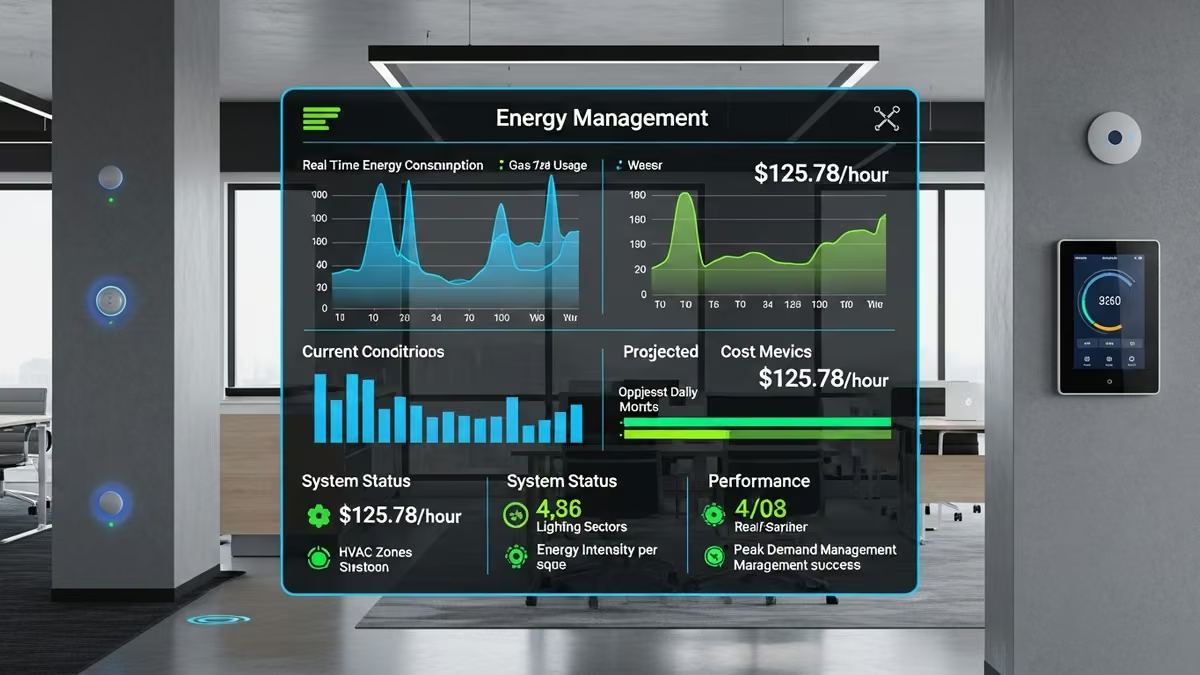
Smart building energy management real-time monitoring has become essential for commercial property owners seeking to reduce operational costs while improving sustainability. Modern buildings consume significant energy across HVAC systems, lighting, and equipment—often with little visibility into where waste occurs. Real-time energy monitoring systems provide the data and automation needed to identify inefficiencies, optimize consumption patterns, and achieve measurable cost reductions. For businesses in Saskatchewan and beyond, implementing a comprehensive smart building energy management strategy isn’t just an environmental responsibility; it’s a competitive advantage that directly impacts your bottom line.
What Is Smart Building Energy Management?
Smart building energy management refers to the integrated use of sensors, software, and automation to monitor, control, and optimize energy consumption across a facility. Unlike traditional energy management—which relies on monthly utility bills and manual inspections—smart systems provide real-time visibility into energy use at the device, zone, and building level.
A complete smart building energy management system typically includes:
- Smart meters and sub-meters that track energy consumption in real time
- IoT sensors monitoring HVAC, lighting, and equipment performance
- Building management software that aggregates data and provides actionable insights
- Automated controls that adjust systems based on occupancy, weather, and demand
- Analytics dashboards displaying energy trends and cost drivers
This integrated approach transforms energy management from a reactive, quarterly concern into a proactive, continuous optimization process.
Why Real-Time Monitoring Matters for Building Energy Efficiency
Real-time energy monitoring is the foundation of effective smart building energy management. Without visibility into how and when energy is consumed, facility managers operate blindly—making decisions based on incomplete information or historical patterns that may not reflect current conditions.
Real-time monitoring delivers several critical advantages:
- Immediate anomaly detection: Identify equipment failures, inefficient schedules, or unusual consumption spikes within minutes, not months
- Occupancy-based optimization: Adjust heating, cooling, and lighting based on actual building occupancy rather than fixed schedules
- Demand response capability: Reduce peak consumption during high-cost periods, lowering demand charges that often represent 30–50% of commercial energy bills
- Accountability and transparency: Track energy use by department, floor, or tenant, enabling cost allocation and motivating conservation
- Faster ROI on efficiency upgrades: Measure the actual impact of new equipment or controls, validating investments and guiding future decisions
Organizations implementing real-time energy monitoring typically see 10–30% reductions in energy consumption within the first year—translating to thousands of dollars in annual savings for mid-sized commercial buildings.
Key Components of a Smart Building Energy Management System
Smart Meters and Sub-Metering
Smart meters measure total building energy consumption and send data to your monitoring system in real time. Sub-meters provide granular visibility into specific zones, equipment, or tenants. This layered approach helps identify which areas or systems consume the most energy and where optimization efforts should focus.
Environmental and Equipment Sensors
Temperature, humidity, occupancy, and light sensors feed data into your building management system. These sensors enable automated adjustments—for example, reducing HVAC output in unoccupied zones or dimming lights when natural daylight is sufficient. Yanke Digital integrates environmental sensors as part of comprehensive smart building solutions, ensuring all systems work together intelligently.
Building Management Software and Analytics
The software layer aggregates data from all sensors and meters, applies analytics algorithms, and presents insights through intuitive dashboards. Quality building management software identifies trends, benchmarks performance against industry standards, and recommends specific actions to reduce consumption and costs.
Automated Control Systems
Smart thermostats, lighting controls, and equipment automation respond to real-time data without manual intervention. For example, a smart HVAC system might reduce temperature setpoints during off-peak hours or increase ventilation only when CO₂ levels rise, optimizing both comfort and efficiency.
Practical Strategies for Reducing Building Energy Costs
Optimize HVAC Performance
HVAC systems typically account for 40–50% of commercial building energy use. Real-time monitoring reveals opportunities such as:
- Adjusting setpoints based on actual occupancy and weather conditions
- Identifying and repairing ductwork leaks that waste conditioned air
- Scheduling maintenance before equipment efficiency degrades
- Implementing demand-controlled ventilation that adjusts fresh air intake based on occupancy and air quality
Implement Intelligent Lighting Control
Lighting often consumes 20–30% of building energy. Smart lighting systems reduce consumption through occupancy sensors, daylight harvesting, and automated dimming. Many facilities achieve 30–50% lighting energy reductions simply by installing controls that match light output to actual need.
Manage Peak Demand and Time-of-Use Rates
Utility demand charges penalize buildings for peak consumption during specific hours. Real-time monitoring helps facility managers shift non-critical loads away from peak periods, reducing demand charges without sacrificing comfort or operations. Some utilities offer time-of-use rates that reward consumption during off-peak hours—smart systems automatically take advantage of these incentives.
Detect and Address Equipment Inefficiencies
Real-time data reveals when equipment operates outside normal parameters—a sign of degradation, miscalibration, or failure. Catching these issues early prevents energy waste and extends equipment life. For example, a compressor running at higher-than-normal pressure consumes excess energy; real-time monitoring alerts maintenance teams to investigate and repair the problem.
Engage Occupants and Tenants
Transparency drives behavior change. Displaying real-time energy consumption and cost data to building occupants and tenants motivates conservation. Multi-tenant buildings can allocate energy costs fairly based on actual consumption, creating financial incentives for efficiency.
Building Energy Management Systems for Different Property Types
Commercial Office Buildings
Office buildings benefit significantly from occupancy-based controls, demand response, and equipment monitoring. Real-time energy management systems help office managers optimize comfort while reducing operational costs—critical for maintaining competitive lease rates and tenant satisfaction.
Multi-Dwelling Residential Properties
Apartment buildings and condos use smart building energy management to monitor common areas, track individual unit consumption, and identify opportunities for efficiency upgrades. Sub-metering enables fair cost allocation among tenants, while building-level monitoring optimizes shared systems like lobbies, hallways, and mechanical rooms.
Retail and Hospitality Facilities
Retail stores and hotels operate extended hours with variable occupancy. Smart energy management systems adjust HVAC, lighting, and equipment based on real-time foot traffic and operational needs, reducing waste during slow periods while maintaining guest comfort during peak times.
Smart Meter Integration and Data Analytics
Smart meter integration is the backbone of modern building energy management systems. Unlike traditional meters read monthly, smart meters transmit consumption data continuously—often every 15 minutes or less. This granular data enables:
- Baseline establishment: Understanding your building’s normal consumption patterns
- Anomaly detection: Spotting unusual spikes that indicate problems
- Trend analysis: Identifying seasonal patterns and long-term efficiency improvements
- Benchmarking: Comparing your building’s performance against similar facilities and industry standards
- Predictive maintenance: Using historical data to forecast equipment failures before they occur
Advanced analytics platforms apply machine learning to identify patterns humans might miss, recommending specific actions to reduce consumption and costs. For example, an analytics system might discover that your building consumes 15% more energy on Tuesdays—revealing an overlooked scheduling inefficiency or equipment issue.
Utility Cost Reduction Automation Strategies
Beyond manual optimization, utility cost reduction automation uses intelligent systems to make real-time decisions that minimize expenses:
- Automated demand response: Systems automatically reduce consumption during peak-rate periods or when utilities request load reduction
- Equipment scheduling optimization: Algorithms determine the most cost-effective times to run non-critical loads (e.g., water heating, pool pumps, EV charging)
- Thermal storage management: Systems charge thermal storage (ice or chilled water tanks) during off-peak hours and discharge during peak periods, reducing demand charges
- Renewable energy integration: Smart systems prioritize on-site solar or wind generation, reducing grid consumption during high-rate periods
- Predictive load shifting: Machine learning forecasts demand and automatically adjusts operations to minimize peak consumption
These automated strategies often deliver savings that exceed what manual management can achieve, as they operate 24/7 without human oversight or delay.
Implementing Smart Building Energy Management: A Practical Roadmap
Step 1: Assess Your Current Energy Profile
Begin by understanding your building’s current energy consumption, cost structure, and major energy consumers. Review utility bills, conduct a walk-through audit, and identify obvious inefficiencies. This baseline informs your smart building energy management strategy and helps prioritize investments.
Step 2: Define Goals and Identify Quick Wins
Set specific, measurable energy reduction targets (e.g., “reduce consumption by 15% within 12 months”). Identify quick wins—low-cost changes that deliver immediate savings, such as adjusting thermostat setpoints or fixing air leaks. Quick wins build momentum and demonstrate ROI early.
Step 3: Install Monitoring Infrastructure
Deploy smart meters, sub-meters, and sensors appropriate to your building’s size and complexity. Start with main building-level monitoring, then add sub-metering for major systems or zones. Yanke Digital specializes in custom design and integration of smart building systems, ensuring sensors and controls work seamlessly together.
Step 4: Implement Building Management Software
Select software that aggregates data from all sources, provides clear dashboards, and offers actionable recommendations. The best platforms integrate with your existing building systems and support both real-time monitoring and historical analysis.
Step 5: Deploy Automated Controls
Implement smart thermostats, lighting controls, and equipment automation based on your monitoring insights. Start with high-impact systems (HVAC and lighting), then expand to other equipment. Ensure all controls integrate with your central management software for coordinated optimization.
Step 6: Monitor, Analyze, and Optimize Continuously
Real-time energy monitoring is not a one-time project—it’s an ongoing process. Review dashboards regularly, analyze trends, and adjust controls based on performance data. Many facilities discover new optimization opportunities months after initial implementation as they become familiar with their energy patterns.
Common Challenges and How to Overcome Them
Data Overload and Complexity
Smart building energy management systems generate vast amounts of data. Without proper visualization and analytics, this data becomes overwhelming. Solution: Invest in user-friendly software that highlights key metrics and actionable insights rather than raw data. Focus on a few critical KPIs initially, then expand as your team becomes comfortable with the system.
Integration Challenges
Older buildings often have legacy systems that don’t communicate with modern smart controls. Solution: Work with experienced system integrators like Yanke Digital who understand how to bridge legacy and modern systems, ensuring seamless data flow and coordinated control.
Occupant Resistance to Automated Controls
Building occupants may resist automated temperature or lighting adjustments if they feel they’ve lost control. Solution: Implement systems that allow manual overrides, provide transparency about why adjustments are being made, and educate occupants about the benefits of smart controls.
Initial Capital Investment
Smart building energy management systems require upfront investment in hardware and software. Solution: Calculate ROI based on realistic energy savings (typically 10–30% annually), explore utility rebates and incentives, and consider phased implementation to spread costs over time.
The Business Case for Smart Building Energy Management
Beyond environmental responsibility, smart building energy management delivers compelling financial returns:
- Direct energy savings: 10–30% reduction in annual energy consumption translates to $10,000–$100,000+ in savings for typical commercial buildings
- Demand charge reduction: Peak demand management can reduce demand charges by 15–25%, often the largest component of commercial energy bills
- Extended equipment life: Real-time monitoring and predictive maintenance reduce equipment stress and failures, extending asset life by 5–10 years
- Improved tenant satisfaction: Better climate and lighting control enhances occupant comfort, supporting higher lease rates and lower turnover
- Regulatory compliance: Many jurisdictions now require energy benchmarking and reporting; smart systems simplify compliance and demonstrate progress toward sustainability goals
- Property valuation: Buildings with certified energy efficiency command higher sale prices and attract institutional investors focused on ESG performance
For most commercial buildings, smart building energy management systems pay for themselves within 3–5 years through energy savings alone—with additional benefits accruing indefinitely.
How Yanke Digital Supports Your Smart Building Energy Management Strategy
Yanke Digital specializes in designing and integrating custom smart building solutions tailored to your specific needs. Our approach to smart building energy management includes:
- Custom design: We assess your building’s unique characteristics and energy profile, then design a system that addresses your specific challenges and goals
- Expert integration: Our team integrates smart meters, sensors, controls, and software into a cohesive system where all components work together seamlessly
- Environmental monitoring: We deploy temperature, humidity, occupancy, and air quality sensors that feed real-time data into your building management system
- Smart thermostat and climate control: Intelligent HVAC controls optimize comfort while reducing energy consumption based on occupancy and conditions
- Ongoing support: We provide continuous monitoring, maintenance, and optimization to ensure your system delivers sustained energy savings
Whether you’re managing a single commercial building, a multi-dwelling residential property, or a complex facility portfolio, Yanke Digital brings the expertise and technology needed to implement effective smart building energy management. Learn more about our climate and environmental control solutions or explore our system support and maintenance services to see how we can help optimize your building’s energy performance.
Conclusion: Transform Your Building’s Energy Performance Today
Smart building energy management real-time monitoring is no longer a luxury—it’s a practical necessity for commercial property owners seeking to reduce costs, improve sustainability, and enhance occupant satisfaction. By implementing a comprehensive system that combines smart meters, sensors, analytics, and automated controls, you gain visibility into energy consumption and the tools to optimize it continuously.
The financial case is compelling: most facilities achieve 10–30% energy reductions within the first year, translating to substantial annual savings. The operational benefits—improved equipment reliability, better occupant comfort, and simplified compliance—add further value.
Ready to transform your building’s energy performance? Yanke Digital is here to help. We design and integrate custom smart building solutions that deliver measurable results. Contact us today to schedule a consultation and discover how smart building energy management can reduce your costs and improve your facility’s efficiency.