Temperature monitoring cold storage facilities is no longer optional—it’s a regulatory requirement and operational necessity. Whether you manage a pharmaceutical warehouse, food distribution center, or medical storage facility, maintaining precise temperature control directly impacts product integrity, regulatory compliance, and your bottom line. This guide covers everything you need to know about implementing effective temperature monitoring systems for cold storage and warehouse environments.
Why Temperature Monitoring Cold Storage Matters
Cold storage facilities operate in a high-stakes environment where even minor temperature fluctuations can compromise entire product batches. Temperature monitoring cold storage systems provide real-time visibility, automated alerts, and comprehensive documentation that protects your inventory and your business.
- Regulatory Compliance: FDA, USDA, and pharmaceutical regulations mandate continuous temperature documentation
- Product Integrity: Vaccines, biologics, frozen foods, and medications degrade rapidly outside optimal temperature ranges
- Financial Protection: A single temperature excursion can result in thousands or millions in product loss
- Liability Reduction: Documented monitoring systems demonstrate due diligence and reduce legal exposure
- Operational Efficiency: Real-time data identifies equipment failures before they become catastrophic
Understanding Cold Chain Monitoring Systems
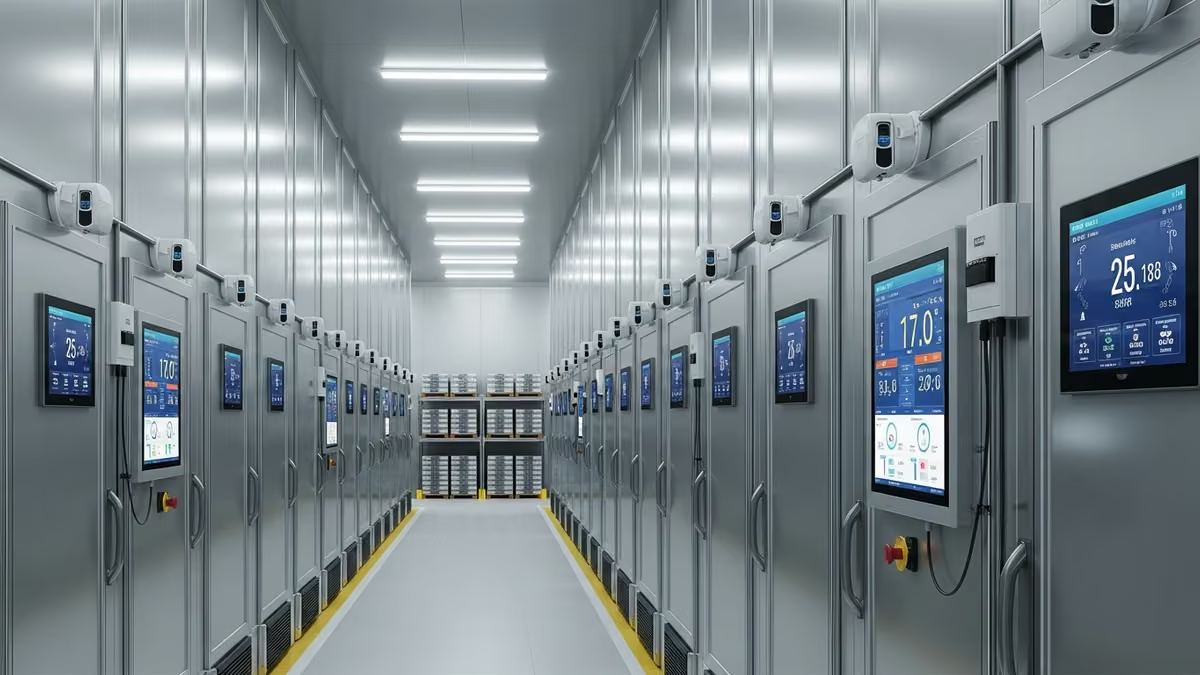
A comprehensive temperature monitoring cold storage system consists of multiple integrated components working together to maintain compliance and protect your products.
Core Components of Temperature Monitoring Systems
- Temperature Sensors: Wireless or hardwired devices that continuously measure ambient and product temperatures
- Data Loggers: Devices that record temperature readings at specified intervals for compliance documentation
- Alarm Systems: Automated alerts that notify staff immediately when temperatures exceed acceptable ranges
- Cloud-Based Dashboards: Real-time monitoring platforms accessible from any location
- Reporting & Analytics: Automated compliance reports and trend analysis for regulatory submissions
- Integration Capabilities: Systems that connect with existing facility management and inventory platforms
Regulatory Compliance Requirements for Cold Storage
Different industries have specific temperature monitoring cold storage compliance requirements. Understanding your regulatory landscape is essential for avoiding penalties and maintaining operational licenses.
Pharmaceutical & Vaccine Storage
The FDA and CDC require continuous temperature monitoring for pharmaceutical warehouses and vaccine distribution centers. Most vaccines require storage between 2-8°C, with documented proof of compliance. Temperature excursions must be reported, investigated, and documented with corrective actions.
Food & Beverage Distribution
USDA and FDA regulations require temperature monitoring cold storage facilities to maintain specific conditions for different product categories. Frozen foods typically require -18°C or below, while refrigerated items need 0-4°C. Documentation must be maintained for inspection and traceability purposes.
Medical Device & Biologics Storage
Biologics and certain medical devices have strict temperature requirements. Many require 2-8°C storage with continuous monitoring and immediate alert systems. Compliance documentation is critical for product liability and regulatory audits.
Temperature Monitoring Cold Storage: Key Features to Look For
Not all temperature monitoring systems are created equal. When evaluating solutions for your cold storage warehouse, prioritize these essential features:
Real-Time Alerts & Notifications
Your system must provide immediate notifications when temperatures drift outside acceptable ranges. Multi-channel alerts (SMS, email, app notifications) ensure staff responds quickly to prevent product loss.
Automated Compliance Reporting
Manual reporting is error-prone and time-consuming. Modern temperature monitoring cold storage systems generate automated compliance reports that satisfy regulatory requirements and reduce administrative burden.
Redundancy & Backup Systems
Critical cold storage facilities need backup sensors and power systems. Redundant monitoring ensures you maintain compliance even if primary systems fail.
Data Accessibility & Security
Cloud-based systems provide remote access while maintaining data security and audit trails. Look for systems with role-based access controls and encrypted data transmission.
Integration with Facility Systems
Your temperature monitoring cold storage system should integrate with HVAC controls, inventory management, and facility automation platforms for seamless operation.
Implementing Temperature Monitoring in Cold Storage Facilities
Successful implementation of temperature monitoring cold storage systems requires planning, proper installation, and staff training.
Assessment & Planning Phase
- Evaluate facility size, layout, and temperature zones
- Identify regulatory requirements specific to your products
- Determine sensor placement for optimal coverage
- Assess integration needs with existing systems
- Plan for redundancy and backup systems
Installation & Configuration
Professional installation ensures sensors are positioned correctly and systems are configured to your facility’s specific requirements. Proper placement is critical—sensors should be positioned to capture representative temperatures throughout the storage area, not just near equipment.
Testing & Validation
Before going live, thoroughly test all sensors, alerts, and reporting functions. Validate that your system accurately reflects facility conditions and generates compliant reports.
Staff Training & Documentation
Your team needs to understand how to monitor the system, respond to alerts, and document any temperature excursions. Comprehensive training and clear procedures prevent operational errors.
Common Temperature Monitoring Cold Storage Challenges
Temperature Excursions & Response Protocols
Even with excellent systems, temperature excursions happen. Your facility needs documented procedures for investigating excursions, assessing product impact, and implementing corrective actions. This documentation is essential for regulatory compliance and product liability protection.
Sensor Placement & Coverage Gaps
Inadequate sensor placement leaves blind spots where temperature problems may go undetected. Strategic sensor distribution throughout your cold storage facility ensures comprehensive monitoring.
System Integration Complexity
Connecting temperature monitoring cold storage systems with existing facility management, HVAC, and inventory platforms requires technical expertise. Integration challenges can delay implementation and reduce system effectiveness.
Data Management & Compliance Documentation
Managing years of temperature data while maintaining compliance documentation can be overwhelming. Cloud-based systems with automated reporting simplify this burden.
Best Practices for Cold Storage Temperature Monitoring
- Establish Clear Temperature Setpoints: Define acceptable temperature ranges based on product requirements and regulatory standards
- Implement Redundant Monitoring: Use multiple sensors and backup systems to ensure continuous coverage
- Create Response Protocols: Document procedures for temperature excursions, including investigation and corrective action steps
- Regular Maintenance: Schedule preventive maintenance for sensors, HVAC systems, and monitoring equipment
- Staff Training: Ensure all personnel understand the importance of temperature control and their role in maintaining compliance
- Audit Trails: Maintain complete documentation of all temperature readings, alerts, and corrective actions
- Regular Testing: Periodically test alert systems and backup procedures to ensure they function when needed
Technology Solutions for Warehouse Temperature Control
Modern temperature monitoring cold storage systems leverage IoT sensors, cloud computing, and advanced analytics to provide unprecedented visibility and control. Automated cold storage monitoring systems provide detailed temperature logs and reports that help warehouses comply with regulations while reducing manual documentation burden.
Wireless sensor networks eliminate the need for extensive wiring, making installation faster and less disruptive. Real-time dashboards provide immediate visibility into facility conditions, while historical data analytics identify trends and predict potential equipment failures before they impact product integrity.
Yanke Digital’s Approach to Cold Storage Solutions
At Yanke Digital, we understand that temperature monitoring cold storage facilities requires more than just sensors—it requires a comprehensive, integrated approach. Our team specializes in designing custom temperature monitoring and environmental control systems tailored to your facility’s specific requirements.
We work with you to assess your facility, identify regulatory requirements, and design a system that provides complete visibility while integrating seamlessly with your existing operations. Our smart home and automation solutions extend to commercial environments, including warehouse temperature control and monitoring systems.
Whether you need environmental sensors and climate control for a small cold storage room or a comprehensive monitoring system for a large distribution facility, we design solutions that protect your products, ensure compliance, and provide peace of mind.
Getting Started with Temperature Monitoring Cold Storage
If your facility currently lacks comprehensive temperature monitoring or you’re looking to upgrade your existing system, now is the time to act. Temperature excursions don’t announce themselves—they happen silently, potentially compromising entire product batches before anyone notices.
The right temperature monitoring cold storage system provides continuous protection, regulatory compliance, and operational efficiency. Contact Yanke Digital to discuss how we can design a custom solution for your facility’s unique requirements. Our team will assess your space, identify your compliance needs, and implement a system that works reliably, 24/7.
Ready to protect your cold storage facility with professional temperature monitoring? Schedule a consultation with Yanke Digital today to learn how our custom integration solutions can safeguard your products and ensure regulatory compliance.