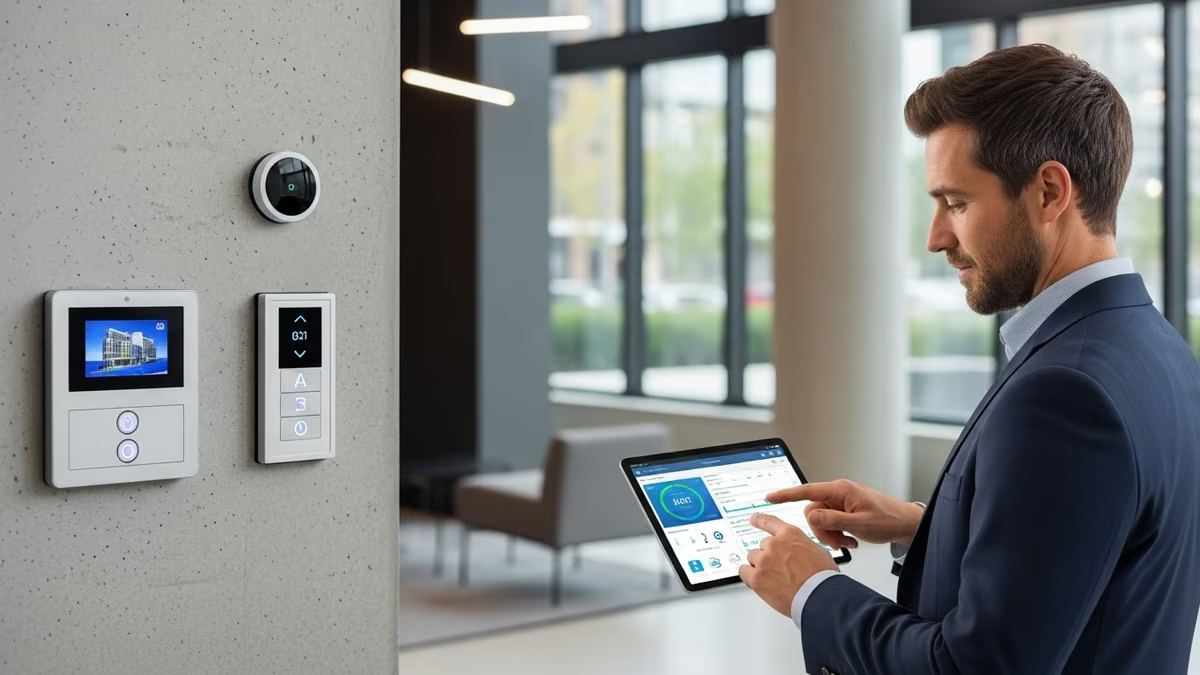
Building automation compliance in Saskatchewan requires careful attention to evolving codes and standards. Whether you’re upgrading a residential property, managing a multi-dwelling complex, or overseeing a commercial building, understanding the regulatory landscape is essential for safety, efficiency, and legal operation. Modern smart building systems must align with Saskatchewan’s building codes, energy regulations, and safety standards—a responsibility that demands both technical expertise and local knowledge.
At Yanke Digital, we design and integrate building automation systems that meet or exceed all applicable Saskatchewan codes and standards. This guide walks you through the key compliance requirements and how modern automation systems help you stay ahead of regulatory changes.
Understanding Building Automation Compliance in Saskatchewan
Building automation compliance in Saskatchewan is governed by multiple regulatory frameworks. The province follows the National Building Code of Canada (NBC) as the foundation, with specific adaptations through Saskatchewan’s Building Code Regulations and Energy Code Regulations. These standards apply to all building types—residential, commercial, and multi-dwelling properties.
Compliance isn’t optional. Building officials, property managers, and owners are responsible for ensuring systems meet current codes. Non-compliance can result in failed inspections, costly retrofits, liability exposure, and operational shutdowns. Modern building automation systems, when properly designed and integrated, simplify compliance and create a documented audit trail.
Why Building Automation Compliance Matters
Building codes exist to protect occupants, ensure energy efficiency, and maintain property safety. Automation systems that integrate security, climate control, fire safety, and environmental monitoring directly support these objectives. When properly configured, they reduce human error, enable real-time monitoring, and provide evidence of compliance during inspections.
- Safety: Automated fire detection, alarm systems, and emergency response protocols meet fire code requirements.
- Energy Efficiency: Smart thermostats and environmental controls align with energy code mandates.
- Access Control: Integrated smart locks and intercoms support security standards and occupancy management.
- Documentation: Automated logging and monitoring create compliance records for inspections and audits.
- Adaptability: Modern systems can be updated to meet new code requirements without major infrastructure changes.
Key Saskatchewan Building Codes & Standards for Automation
National Building Code (NBC) & Saskatchewan Adaptations
Saskatchewan adopts the National Building Code of Canada as its baseline, with provincial amendments. The NBC covers structural safety, fire protection, means of egress, accessibility, and environmental quality. Building automation systems must support these requirements, particularly in fire safety, emergency communications, and accessibility features.
Key areas where automation impacts NBC compliance include:
- Fire Safety Systems: Automated fire detection, alarm notification, and emergency lighting integration.
- Smoke & Carbon Monoxide Detection: Interconnected sensors with automated alerts and emergency protocols.
- Emergency Communications: Integrated intercom and notification systems for occupant safety.
- Accessibility: Automated door controls, lighting, and climate systems that support accessible design.
Energy Code Regulations (NECB 2020)
Saskatchewan’s Energy Code Regulations mandate compliance with the National Energy Code of Canada for Buildings (NECB 2020). This standard requires buildings to meet specific energy performance targets through efficient systems, controls, and operational practices.
Building automation directly supports energy code compliance through:
- Smart Thermostats: Automated temperature management reduces energy consumption and provides compliance documentation.
- Occupancy Sensors: Lighting and HVAC systems adjust based on real-time occupancy data.
- Energy Monitoring: Automated systems track consumption patterns and identify efficiency opportunities.
- Demand Response: Integration with utility programs to optimize peak-load management.
- System Commissioning: Automated verification that systems operate as designed for maximum efficiency.
Fire Code & Safety Standards
Saskatchewan’s fire code requirements are integrated into the National Building Code. Building automation systems must support fire safety objectives, including early detection, rapid notification, and emergency response coordination.
Compliant automation systems include:
- Integrated fire alarm systems with automatic notification to occupants and emergency services.
- Smoke and heat detection with automated response (door closures, ventilation shutdown, emergency lighting).
- Emergency communication systems that broadcast alerts and evacuation instructions.
- Access control integration that unlocks emergency exits during fire events.
- Monitoring and maintenance logs that demonstrate ongoing compliance.
Electrical & Security Standards
Building automation systems rely on electrical infrastructure and security protocols. Saskatchewan requires compliance with Canadian Electrical Code standards and security best practices for networked systems.
- Electrical Safety: Proper wiring, grounding, and backup power systems for critical automation components.
- Cybersecurity: Encrypted communications, secure authentication, and regular system updates to prevent unauthorized access.
- Data Privacy: Secure storage and handling of occupancy, access, and monitoring data.
- System Redundancy: Backup systems ensure critical functions (fire safety, emergency access) operate during power loss.
Building Automation Compliance for Different Property Types
Residential Homes & Single-Family Properties
Residential building automation compliance focuses on safety, energy efficiency, and occupant comfort. While residential properties have less stringent requirements than commercial buildings, they must still meet fire safety, electrical, and energy code standards.
Key compliance areas for residential automation:
- Smoke and carbon monoxide detection with interconnected alarms.
- Smart thermostats that support energy efficiency goals.
- Security systems (cameras, smart locks, intercoms) that meet electrical and safety standards.
- Flood detection and water leak sensors for property protection.
- Proper electrical installation and backup power for critical systems.
Multi-Dwelling Units (Apartments & Condos)
Multi-dwelling properties face more complex compliance requirements due to shared infrastructure, occupant safety, and building-wide systems. Building automation compliance for apartments and condos must address fire safety, emergency communications, energy management, and access control across multiple units.
Critical compliance considerations:
- Fire Safety: Building-wide fire detection and alarm systems with unit-level integration.
- Emergency Communications: Intercom systems that reach all units and common areas.
- Access Control: Smart locks and entry systems that meet security and accessibility standards.
- Energy Management: Building-wide and unit-level monitoring to meet energy code targets.
- Common Area Automation: Lighting, HVAC, and security systems for lobbies, hallways, and shared spaces.
- Occupancy Tracking: Systems that support emergency response and building management.
Commercial Buildings & Offices
Commercial building automation compliance is the most comprehensive. Large office buildings, retail spaces, and industrial facilities must meet stringent fire safety, energy efficiency, accessibility, and security standards. Building automation systems are essential for managing complex infrastructure and demonstrating ongoing compliance.
Commercial automation compliance includes:
- Fire & Life Safety: Integrated fire detection, alarm, emergency lighting, and evacuation systems.
- HVAC & Energy Control: Automated climate systems with occupancy-based scheduling and demand response.
- Access Control & Security: Smart locks, surveillance, and integrated security monitoring.
- Lighting Management: Occupancy sensors, daylight harvesting, and automated scheduling.
- Environmental Monitoring: Air quality, temperature, humidity, and water detection systems.
- System Integration: Unified platform that coordinates all building systems and provides compliance documentation.
- Audit & Reporting: Automated logs and reports for regulatory inspections and energy audits.
How Modern Building Automation Systems Ensure Compliance
Custom Design & Integration
One-size-fits-all automation solutions often fail to meet specific building codes and local requirements. Custom-designed systems, tailored to your property’s unique needs and Saskatchewan’s regulatory environment, ensure full compliance from the start.
Yanke Digital’s custom design approach means every system is built with compliance as a foundational requirement, not an afterthought. We assess your property, identify applicable codes and standards, and design integration that meets or exceeds all requirements.
Real-Time Monitoring & Alerts
Automated monitoring systems continuously track compliance-critical functions. Fire detection, emergency systems, security, and environmental controls are monitored 24/7, with immediate alerts if any system deviates from required parameters.
This real-time oversight provides:
- Immediate notification of system failures or non-compliance.
- Rapid response to address issues before they impact safety or operations.
- Continuous documentation of system performance for regulatory audits.
- Preventive maintenance scheduling to keep systems in compliance.
Automated Compliance Documentation
Building inspectors and auditors require evidence of compliance. Modern automation systems automatically generate logs, reports, and performance data that demonstrate adherence to codes and standards. This documentation is invaluable during inspections, energy audits, and insurance reviews.
Key documentation capabilities:
- System operation logs showing fire detection, alarm testing, and emergency response drills.
- Energy consumption reports demonstrating compliance with energy code targets.
- Access control records for security audits and occupancy management.
- Maintenance and service records proving ongoing system care.
- System commissioning reports verifying proper installation and configuration.
Scalability & Future-Proof Design
Building codes evolve. Saskatchewan’s standards are updated periodically to reflect new safety research, energy efficiency goals, and technological advances. Future-proof automation systems are designed with flexibility, allowing upgrades and expansions without major infrastructure overhauls.
This approach protects your investment and ensures your building remains compliant as codes change.
Common Building Automation Compliance Challenges
Legacy Systems & Code Updates
Older buildings often have outdated automation systems that no longer meet current building codes. Upgrading legacy systems to meet modern standards requires careful planning to minimize disruption while ensuring full compliance.
Solutions include phased integration, where new compliant systems are gradually introduced while legacy systems are retired. This approach allows buildings to maintain operations while achieving full compliance.
System Integration Complexity
Modern buildings often have multiple automation systems—fire safety, HVAC, security, lighting—that must work together seamlessly. Poor integration creates gaps in compliance and operational inefficiency.
Unified platform design ensures all systems communicate, share data, and respond to compliance requirements in coordinated fashion. This eliminates silos and creates a cohesive, compliant building ecosystem.
Cybersecurity & Data Protection
Building automation systems are increasingly targeted by cyber threats. Compliance requires robust security measures—encrypted communications, secure authentication, regular updates, and access controls—to protect system integrity and occupant data.
Professional system integrators implement industry-standard security protocols and maintain ongoing monitoring to prevent unauthorized access and data breaches.
Maintenance & System Reliability
Compliance requires systems to function reliably. Neglected maintenance leads to failures, non-compliance, and safety risks. Automated maintenance scheduling, regular testing, and professional support ensure systems remain operational and compliant.
Steps to Achieve Building Automation Compliance
1. Conduct a Compliance Audit
Begin by assessing your current systems against applicable Saskatchewan codes and standards. Identify gaps, outdated components, and areas requiring upgrades. A professional audit provides a clear roadmap for achieving compliance.
2. Engage a Local System Integrator
Partner with a system integrator who understands Saskatchewan’s regulatory environment and has proven experience designing compliant automation systems. Local expertise ensures your design meets all applicable codes and passes inspections.
3. Design a Custom Solution
Work with your integrator to design a system tailored to your property’s specific needs and compliance requirements. Custom design ensures every component, integration point, and operational protocol aligns with codes and standards.
4. Install & Commission the System
Professional installation and commissioning verify that all components are properly configured and functioning as designed. This step is critical for compliance and creates documentation for regulatory review.
5. Establish Ongoing Maintenance & Support
Compliance is ongoing. Regular maintenance, system testing, software updates, and professional support ensure your automation systems remain compliant and reliable throughout their operational life.
Building Automation Compliance Resources for Saskatchewan
Several resources provide guidance on Saskatchewan building codes and automation standards:
- Government of Saskatchewan Building and Technical Standards – Official source for provincial codes, regulations, and compliance information.
- National Building Code of Canada – The foundational standard adopted by Saskatchewan with provincial amendments.
- Local Building Officials – Your municipality’s building department can clarify specific code requirements and inspection processes.
- Professional System Integrators – Specialists like Yanke Digital provide expert guidance on compliance-ready automation design and installation.
Why Choose Yanke Digital for Building Automation Compliance
Achieving building automation compliance in Saskatchewan requires technical expertise, local knowledge, and a commitment to quality. Yanke Digital brings all three to every project.
Our approach to building automation compliance includes:
- Local Expertise: Deep understanding of Saskatchewan codes, standards, and regulatory processes.
- Custom Design: Systems tailored to your property’s unique needs and compliance requirements—not generic solutions.
- Professional Installation: Expert integration that meets all electrical, safety, and operational standards.
- Comprehensive Support: Ongoing maintenance, monitoring, and updates ensure continuous compliance.
- Documentation & Transparency: Clear records and reports that satisfy regulatory inspections and audits.
- Future-Proof Systems: Flexible design that adapts as codes and standards evolve.
Whether you’re upgrading a residential home, managing a multi-dwelling complex, or overseeing a commercial building, Yanke Digital can design and integrate a building automation system that meets all Saskatchewan codes and standards. Our team works with you to simplify compliance, enhance safety, and optimize operations.
Ready to Ensure Your Building Meets Compliance Standards?
Building automation compliance doesn’t have to be complicated. With the right partner and a well-designed system, you can confidently meet all Saskatchewan codes and standards while improving safety, efficiency, and occupant experience.
Schedule a consultation with Yanke Digital today. We’ll assess your current systems, identify compliance gaps, and design a custom automation solution that keeps your property safe, efficient, and fully compliant with Saskatchewan regulations.
Contact Yanke Digital: 1-888-698-8001 or visit our website to discuss your building automation compliance needs.