
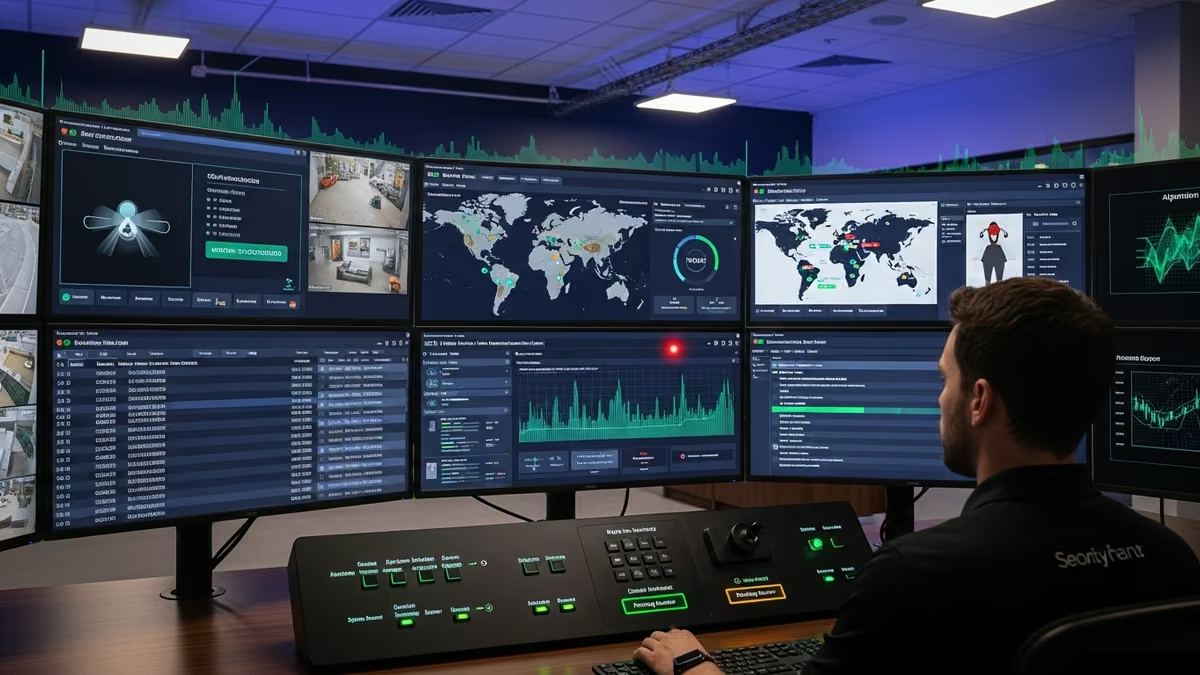
False alarms in commercial security systems are more than just a nuisance—they drain resources, erode trust in your security infrastructure, and can cost your business thousands of dollars annually. Whether you operate a single office building, manage multiple properties, or oversee a complex commercial facility, reducing false alarms in commercial security systems should be a strategic priority. The good news is that with the right combination of technology, configuration practices, and professional integration, you can dramatically minimize false alarms while maintaining the protective capabilities your business depends on.
Understanding the True Cost of False Alarms
False alarms represent a significant operational and financial burden for commercial properties. When your security system triggers an alarm without a genuine threat, the consequences ripple across your organization and beyond.
- Direct costs: Monitoring service fees, police response charges (many jurisdictions now levy fines for excessive false alarms), and emergency dispatch resources
- Operational disruption: Staff distraction, evacuation procedures, and lost productivity during false alarm events
- Reputation damage: Frequent false alarms undermine confidence in your security posture and can frustrate tenants, clients, and employees
- Alarm fatigue: When false alarms occur regularly, staff and security personnel become desensitized, reducing responsiveness to genuine threats
- Regulatory penalties: Many municipalities impose escalating fines for repeat false alarms, with some jurisdictions charging $100–$500 per incident
The cumulative impact of false alarm reduction security initiatives can save commercial property owners tens of thousands of dollars annually while improving overall security effectiveness.
Common Causes of False Alarms in Commercial Settings
Before you can implement effective solutions, you need to understand what triggers false alarms in the first place. Most false alarms fall into predictable categories:
User Error and Improper System Operation
This is the leading cause of false alarms in commercial environments. Employees may forget to disarm the system before opening doors, fail to enter the correct access code, or accidentally trigger motion sensors while moving through the facility. Inadequate staff training and unclear procedures compound the problem.
Environmental and Equipment Factors
Dust, insects, temperature fluctuations, and humidity can trigger motion sensors and environmental sensors. HVAC systems, ceiling fans, and even sunlight reflecting off surfaces can cause unwanted activations. Poorly maintained or miscalibrated sensors are particularly prone to these issues.
System Configuration and Integration Issues
Overly sensitive detector settings, incompatible device integrations, and inadequate zoning strategies lead to false alarms. When your security system configuration doesn’t account for your facility’s unique layout and operational patterns, false alarms become inevitable.
Aging or Faulty Equipment
Worn sensors, failing batteries, and outdated alarm system components frequently trigger false alerts. Regular maintenance and timely equipment replacement are essential to prevent these issues.
Best Practices for Commercial Alarm System Optimization
Implementing a comprehensive approach to false alarm reduction requires attention to both technical and operational dimensions. Here are the most effective strategies:
1. Conduct a Professional System Audit
Start by having a qualified security integrator evaluate your entire system. This audit should identify misconfigured zones, oversensitive detectors, incompatible devices, and maintenance issues. A professional assessment provides a baseline for improvement and reveals opportunities for security system configuration optimization.
2. Implement Intelligent Zoning Strategies
Divide your facility into logical zones based on occupancy patterns, operational hours, and risk levels. High-traffic areas may require different sensor sensitivity settings than secure storage rooms. Intelligent zoning reduces false alarms by ensuring that normal business activities don’t trigger unnecessary alerts.
3. Calibrate Sensors for Your Specific Environment
Motion sensors, door contacts, and environmental sensors must be calibrated to your facility’s unique conditions. This includes accounting for:
- Ambient temperature and humidity ranges
- Natural light patterns and reflective surfaces
- HVAC airflow and ventilation patterns
- Normal operational movement and traffic patterns
- Seasonal variations in environmental conditions
Proper calibration is fundamental to alarm fatigue prevention and sustained false alarm reduction.
4. Establish Clear Operating Procedures and Staff Training
User error remains the top cause of false alarms. Develop comprehensive procedures for:
- Arming and disarming the system at shift changes
- Entering and exiting the facility during armed periods
- Responding to alarm notifications
- Reporting system malfunctions or unusual behavior
- Emergency override procedures
Conduct regular training sessions and provide quick-reference guides at key access points. When staff understand the system and follow consistent procedures, false alarm incidents drop significantly.
5. Implement Dual-Verification Technology
Modern commercial alarm systems can require multiple sensors to trigger before generating an alert. For example, a motion sensor combined with a door contact or glass break detector creates a higher confidence threshold. This approach dramatically reduces false alarms while maintaining security effectiveness.
6. Schedule Regular Maintenance and Testing
Preventive maintenance is critical. Establish a schedule for:
- Battery replacement in wireless sensors
- Lens cleaning on motion detectors
- Sensor sensitivity verification
- System software updates
- Integration testing between connected devices
- Quarterly system functionality tests
Regular maintenance catches issues before they cause false alarms and extends equipment lifespan.
Technology Solutions for Intelligent Alarm Monitoring
Beyond basic configuration, modern technology platforms offer sophisticated tools for intelligent alarm monitoring and false alarm reduction:
AI-Powered Threat Detection
Advanced security systems now incorporate artificial intelligence to distinguish between genuine threats and false triggers. AI algorithms learn your facility’s normal patterns and can identify anomalies with high accuracy. This technology is particularly effective for reducing false alarms from environmental factors and routine operational activities.
Video Verification Systems
When an alarm triggers, integrated video verification allows monitoring centers to visually confirm the threat before dispatching emergency services. This technology dramatically reduces unnecessary police responses and associated costs while ensuring that genuine emergencies receive immediate attention.
Smart Sensor Integration
Modern commercial security systems integrate multiple sensor types—motion detectors, door/window contacts, glass break sensors, environmental sensors, and access control systems—into a unified platform. When these devices communicate intelligently, the system can correlate data and reduce false alarms. For example, a motion detection in a secure area combined with an unauthorized door opening creates a higher-confidence alert than motion alone.
Real-Time Monitoring Dashboards
Centralized monitoring platforms provide real-time visibility into system status, alert history, and device health. This allows security teams to identify patterns, track false alarm trends, and make data-driven adjustments to system configuration. Many platforms include automated reporting that highlights recurring issues.
Reducing False Alarms Through Custom System Design
One-size-fits-all security solutions rarely deliver optimal results. Every commercial facility has unique characteristics—layout, occupancy patterns, operational hours, risk profile, and integration requirements. A custom-designed system accounts for these variables from the ground up.
Professional system integrators work with your team to understand your specific needs and design a solution that balances security effectiveness with false alarm prevention. This includes:
- Facility mapping and zone planning based on actual usage patterns
- Sensor selection and placement optimized for your environment
- Integration strategy that connects all devices seamlessly
- Configuration that reflects your operational procedures and risk tolerance
- Scalability to accommodate future growth or changes
Custom design ensures that your security system configuration supports your business objectives while minimizing false alarms from day one.
Monitoring Service Best Practices
Your monitoring service provider plays a crucial role in false alarm reduction. Establish clear protocols with your monitoring center:
- Verification procedures: Require the monitoring center to attempt phone verification before dispatching emergency services
- Escalation protocols: Define clear procedures for different alarm types and response scenarios
- Communication standards: Ensure your facility’s emergency contacts and procedures are current and clearly documented
- Reporting and analysis: Request monthly reports on alarm activity, false alarm trends, and recommendations for improvement
- Training coordination: Work with your monitoring service to ensure staff training aligns with their procedures
Measuring and Tracking False Alarm Reduction Success
To ensure your false alarm reduction initiatives are working, establish metrics and track progress:
- False alarm rate: Calculate the percentage of alarms that are false versus genuine threats
- Trend analysis: Track false alarms over time to identify patterns and seasonal variations
- Cost savings: Document reduced monitoring fees, eliminated fines, and avoided emergency dispatch charges
- Response time: Monitor how quickly genuine threats are detected and addressed
- Staff feedback: Gather input from employees on system usability and false alarm frequency
Regular review of these metrics helps you identify what’s working and where additional improvements are needed.
Why Professional Integration Matters for False Alarm Prevention
While some false alarm reduction strategies can be implemented internally, professional system integration expertise is invaluable. Experienced integrators bring:
- Deep knowledge of equipment capabilities and limitations
- Understanding of how different devices interact and integrate
- Expertise in facility assessment and zone planning
- Access to advanced diagnostic tools and testing equipment
- Ongoing support and optimization as your needs evolve
- Familiarity with local regulations and monitoring service requirements
A qualified integrator can identify issues that internal staff might miss and implement solutions that deliver lasting results. For commercial properties in Saskatchewan and beyond, partnering with a professional system integrator ensures your security investment delivers maximum value with minimal false alarms.
Getting Started: Your False Alarm Reduction Roadmap
If your commercial facility is experiencing excessive false alarms, here’s a practical roadmap to improvement:
- Assess current performance: Document your false alarm history and identify patterns
- Conduct a professional audit: Have a qualified integrator evaluate your system
- Develop an action plan: Prioritize improvements based on the audit findings
- Implement solutions: Address configuration issues, upgrade equipment, and establish procedures
- Train staff: Ensure everyone understands the system and proper operating procedures
- Monitor and optimize: Track results and make ongoing adjustments
- Schedule maintenance: Establish preventive maintenance routines to sustain improvements
This systematic approach ensures sustainable false alarm reduction and long-term security system reliability.
Transform Your Commercial Security Today
Reducing false alarms in commercial security systems isn’t just about eliminating nuisances—it’s about optimizing your security investment, protecting your bottom line, and ensuring that your team responds appropriately to genuine threats. With the right combination of technology, professional design, and operational discipline, you can achieve a security system that works reliably and efficiently.
At Yanke Digital, we specialize in designing and integrating custom commercial security solutions that minimize false alarms while maximizing protection. Our team works with you to understand your facility’s unique needs and implement systems that deliver results. Whether you’re dealing with an existing system plagued by false alarms or planning a new installation, we can help you achieve the security performance your business deserves.
Contact Yanke Digital today to schedule a consultation and discover how professional system integration can transform your commercial security. Let’s design a solution that works as hard as you do.
For more information on comprehensive security solutions, explore our complete smart home and security services or learn about our commercial building solutions.