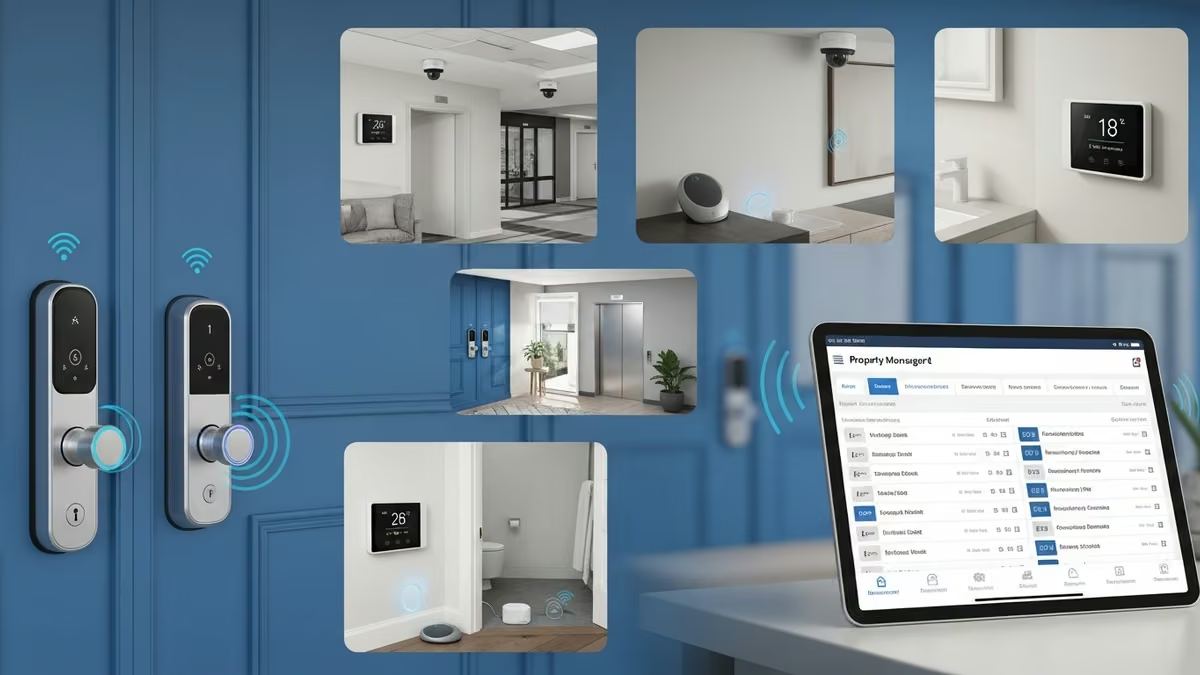
Smart home integration for rental properties is no longer a luxury—it’s becoming a competitive necessity. Property owners and managers across Canada are discovering that strategic smart home integration rental properties can simultaneously attract higher-quality tenants, reduce operational costs, and future-proof their investments. Whether you manage single-family rentals, multi-unit apartment buildings, or commercial properties, understanding how to implement smart home technology effectively can transform your bottom line and tenant satisfaction.
Why Smart Home Integration Matters for Rental Properties
The rental market has shifted. Today’s tenants—particularly millennials and Gen Z renters—expect modern conveniences. A 2023 survey found that 73% of renters would pay a premium for smart home features. But beyond tenant appeal, smart home integration for rental properties delivers measurable financial benefits that directly impact your property’s profitability and operational efficiency.
Smart home technology reduces maintenance emergencies, lowers utility costs, and provides property managers with real-time visibility into property conditions. When implemented strategically, these systems pay for themselves within 2-3 years while improving tenant retention and reducing vacancy rates.
Tenant Attraction & Retention
Renters actively search for properties with smart features. Smart locks, video doorbells, intelligent thermostats, and automated lighting aren’t just conveniences—they’re decision-making factors. Properties with smart home integration rental properties features command higher rental rates and experience shorter vacancy periods. In competitive markets like Saskatoon and across Saskatchewan, this advantage is significant.
- Smart locks eliminate lost keys and emergency lockouts
- Video doorbells provide security and package monitoring
- Intelligent thermostats reduce tenant utility complaints
- Automated lighting enhances security and convenience
- Smart home systems signal modern property management
Operational Cost Reduction
The real financial impact of smart home integration for rental properties comes from operational savings. Automated systems reduce emergency maintenance calls, prevent costly water damage, and optimize energy consumption across your portfolio.
- Water damage prevention: Flood detection sensors alert you to leaks before they cause thousands in damage
- Energy efficiency: Smart thermostats reduce heating/cooling costs by 10-15% per unit
- Maintenance visibility: Environmental sensors detect HVAC failures and temperature anomalies early
- Security: Integrated systems reduce insurance claims and liability exposure
- Tenant communication: Automated alerts reduce emergency maintenance calls
Essential Smart Home Technologies for Rental Properties
Not all smart home features deliver equal ROI for rental properties. Focus on systems that directly impact tenant satisfaction, property protection, and operational efficiency. Here’s what successful property managers are installing:
Smart Access Control & Security
Smart locks and access control systems are foundational for rental properties. They eliminate physical key management, provide audit trails for entry, and enable remote access for maintenance and showings.
- Smart locks: Keyless entry, temporary access codes, audit logs
- Video doorbells: Package monitoring, visitor screening, security documentation
- Intercoms: Building-wide communication without physical buzzers
- Access control systems: Multi-unit buildings with centralized management
For multi-unit properties, integrated access control eliminates the need for physical key distribution and provides property managers with complete visibility into who enters the building and when.
Water Detection & Flood Prevention
Water damage is the #1 insurance claim for rental properties. Smart flood detection systems provide early warning, potentially saving tens of thousands per incident. These sensors are inexpensive to install but deliver exceptional ROI.
- Sensors placed near water heaters, under sinks, and in basements
- Real-time alerts to property manager and tenant
- Integration with smart shutoff systems (advanced installations)
- Prevents catastrophic damage and insurance claims
Climate Control & Environmental Monitoring
Smart thermostats and environmental sensors optimize comfort while reducing energy waste. For rental properties, these systems provide tenants with control while giving property managers oversight of system performance.
- Smart thermostats: Programmable schedules, tenant control, energy reporting
- Temperature monitoring: Alerts for heating failures or extreme conditions
- Humidity sensors: Early detection of moisture problems
- Air quality monitoring: Tenant health and comfort data
Surveillance & Monitoring Systems
Professional-grade security cameras serve multiple purposes: tenant safety, liability protection, and property monitoring. Modern systems integrate with other smart home components for comprehensive property oversight.
- Common area surveillance for security and liability
- Cloud-based recording accessible from anywhere
- Integration with access control for complete audit trails
- Professional installation ensures proper coverage and compliance
Smart Home Integration for Rental Properties: Implementation Strategy
Successful smart home integration for rental properties requires careful planning. A poorly implemented system creates tenant frustration and operational headaches. Here’s how to approach it strategically:
Phase 1: Assess Your Property & Tenant Needs
- Identify your biggest operational pain points (maintenance calls, water damage, energy costs)
- Understand your tenant demographic and their technology expectations
- Evaluate your property’s infrastructure (WiFi, electrical, network capability)
- Determine your budget and expected ROI timeline
Phase 2: Start with High-ROI Systems
Don’t try to implement everything at once. Prioritize systems that address your specific challenges:
- For water damage prevention: Install flood detection first
- For tenant attraction: Smart locks and video doorbells create immediate appeal
- For energy savings: Smart thermostats deliver measurable cost reduction
- For security: Integrated cameras and access control provide comprehensive protection
Phase 3: Ensure Professional Integration
This is critical. DIY smart home systems often fail in rental properties because they lack professional-grade reliability, proper network infrastructure, and ongoing support. Property managers need systems that work 24/7 without tenant intervention.
Professional system integrators like Yanke Digital design custom solutions that:
- Integrate all devices into a single, reliable ecosystem
- Provide remote management dashboards for property managers
- Include 24/7 technical support and maintenance
- Scale across multiple properties with centralized control
- Ensure compliance with tenant privacy and building codes
Phase 4: Tenant Education & Support
A sophisticated smart home system fails if tenants don’t understand how to use it. Professional integrators should provide clear documentation, training, and ongoing support to ensure tenants can confidently operate their smart home features.
Smart Home Integration for Rental Properties: Multi-Unit Considerations
Multi-unit properties (apartments, condos, multi-dwelling buildings) require different smart home integration strategies than single-family rentals. Centralized management, scalability, and tenant privacy are paramount.
Centralized Management Dashboards
Property managers need single-platform visibility across all units. A well-designed smart home integration for rental properties provides:
- Real-time alerts for maintenance issues across all units
- Energy consumption tracking by unit
- Access control audit logs for security and compliance
- Tenant communication tools integrated into the system
Scalability & Future Growth
Your smart home system should grow with your portfolio. Professional integrations are designed to scale from 5 units to 500 units without requiring complete system replacement. This future-proofs your investment and reduces long-term costs.
Tenant Privacy & Data Security
Multi-unit smart home systems must protect tenant privacy while providing property managers necessary oversight. Professional systems include:
- Encrypted data transmission and storage
- Clear privacy policies and tenant consent
- Separation of unit-level and building-level data
- Compliance with local privacy regulations
Financial Impact: ROI of Smart Home Integration for Rental Properties
The financial case for smart home integration for rental properties is compelling. Here’s what property managers typically see:
Revenue Increase
- Rental rate premium: 5-10% higher rents for units with smart features
- Faster leasing: Reduced vacancy periods (average 2-3 weeks shorter)
- Tenant retention: 15-20% improvement in lease renewal rates
Cost Reduction
- Energy savings: 10-15% reduction in heating/cooling costs per unit
- Water damage prevention: Flood detection prevents $5,000-$50,000+ claims
- Maintenance efficiency: 20-30% reduction in emergency maintenance calls
- Insurance benefits: Some insurers offer premium discounts for smart security systems
Typical ROI Timeline
For a 10-unit apartment building with smart home integration for rental properties:
- Initial investment: $15,000-$25,000 (professional installation)
- Year 1 savings: $8,000-$12,000 (energy + maintenance reduction)
- Year 1 revenue increase: $6,000-$10,000 (rental premium + reduced vacancy)
- Payback period: 12-18 months
- 5-year ROI: 200-300%
Common Mistakes in Smart Home Integration for Rental Properties
Property managers often make preventable mistakes when implementing smart home systems. Learning from these can save significant time and money:
Choosing Consumer-Grade Systems
Consumer smart home products (Amazon Alexa, Google Home) aren’t designed for rental properties. They lack:
- Professional-grade reliability and uptime requirements
- Multi-unit management capabilities
- Proper network infrastructure and security
- Dedicated technical support for property managers
- Scalability across large portfolios
Professional smart home integration for rental properties requires enterprise-grade systems designed specifically for property management.
Inadequate Network Infrastructure
Smart home systems depend on reliable WiFi and network connectivity. Many property managers underestimate the infrastructure investment required. Professional integrators assess and upgrade network capacity before system installation.
Lack of Tenant Training
Even excellent systems fail without proper tenant education. Property managers should provide:
- Written user guides for each smart home feature
- Video tutorials for common tasks
- Responsive support for tenant questions
- Regular communication about system updates
Insufficient Ongoing Support
Smart home systems require ongoing maintenance, updates, and troubleshooting. Property managers who don’t budget for professional support often experience system failures and tenant dissatisfaction. A comprehensive support plan is essential.
Choosing a Smart Home Integration Partner for Your Rental Properties
The success of smart home integration for rental properties depends heavily on your integration partner. Look for providers who offer:
Industry Experience
Your integrator should have proven experience with rental properties, multi-unit buildings, and property management workflows. They should understand the unique challenges of managing smart systems across multiple properties and tenants.
Custom Design Capabilities
Every property is different. Your integrator should design custom solutions tailored to your specific needs, budget, and property characteristics—not force you into a one-size-fits-all package.
Professional Installation & Support
Installation quality directly impacts system reliability. Choose integrators who:
- Employ certified technicians with rental property experience
- Provide comprehensive testing and quality assurance
- Offer 24/7 technical support and maintenance
- Include tenant training and documentation
Scalability & Future-Proofing
Your smart home system should grow with your portfolio. Ensure your integrator can scale solutions across multiple properties and adapt to future technology changes without requiring complete system replacement.
Local Expertise
For Saskatchewan property managers, working with a local integrator like Yanke Digital provides advantages:
- Understanding of local building codes and regulations
- Rapid response for maintenance and support
- Knowledge of Saskatchewan’s climate and property types
- Established relationships with local contractors and suppliers
- Familiarity with regional tenant expectations and market conditions
Getting Started with Smart Home Integration for Your Rental Properties
Ready to implement smart home integration for rental properties? Here’s your action plan:
Step 1: Define Your Goals
What’s your primary objective? Tenant attraction? Cost reduction? Risk mitigation? Your goals should drive your system design and technology choices.
Step 2: Assess Your Properties
Evaluate your current infrastructure, tenant demographics, and operational challenges. This assessment informs your integration strategy and budget.
Step 3: Consult with a Professional Integrator
Work with experienced integrators who understand rental property management. They’ll design a custom solution that addresses your specific needs and delivers measurable ROI.
Step 4: Start Small, Scale Strategically
Implement smart home integration for rental properties in phases. Start with high-ROI systems, measure results, then expand based on proven success.
Step 5: Commit to Ongoing Support
Budget for professional maintenance, tenant support, and system updates. This ensures long-term reliability and maximum ROI.
Conclusion: Smart Home Integration for Rental Properties is an Investment in Your Future
Smart home integration for rental properties isn’t a trend—it’s a fundamental shift in how modern properties are managed and operated. Properties equipped with integrated smart systems attract better tenants, operate more efficiently, and command higher valuations in the market.
The financial case is clear: professional smart home integration for rental properties typically pays for itself within 12-18 months while improving tenant satisfaction and reducing operational headaches. For property managers across Saskatchewan, this represents a significant competitive advantage.
The key to success is choosing the right integration partner—one with rental property experience, custom design capabilities, and commitment to ongoing support. Yanke Digital specializes in custom smart home solutions for residential, multi-unit, and commercial properties throughout Saskatchewan. Our team designs integrated systems tailored to your specific property management needs, complete with professional installation and 24/7 support.
Ready to transform your rental properties with smart home integration? Schedule a consultation with Yanke Digital to discuss how custom smart home integration can improve your property’s profitability, tenant satisfaction, and operational efficiency. We’ll assess your properties, identify high-ROI opportunities, and design a solution that delivers measurable results.