In an emergency, every second at the door counts.
When paramedics arrive at a condo or apartment building, the first thing they meet usually isn’t the emergency. It’s the front door. Then the intercom, the elevator and the hallway. Every one of those can slow them down or help them along.
Smart building technology won’t replace your fire alarm, your sprinklers or a monitored alarm service, and it shouldn’t try to. What it can do is remove friction around an emergency: let responders in faster, warn you about water before it spreads through three units, give you clear video when you need to understand what happened, and make sure people can see where they’re going.
The short version: think of it as the support crew around your life-safety systems, not a substitute for them.
But there’s one part of emergency planning that almost every building overlooks, and it has nothing to do with buying new equipment. We’ll come back to it.
First, what this technology is not
Fire alarm panels, sprinklers, emergency lighting, exit signage and anything else covered by fire and building codes are separate, regulated systems. They have their own design rules, their own inspections and their own qualified installers. Requirements vary by building and jurisdiction, so check with your local fire authority and building officials about what applies to your property.
Yanke Digital is also not an alarm monitoring company or an emergency service. The systems below help people respond. They don’t call 911 for you.
With that clear, here’s where smart technology earns its place.
Getting responders through the door
A locked lobby is good security until someone inside needs help and can’t get downstairs to open it.
Modern intercom and visitor access systems can help in a few ways:
- Remote unlock. A resident, caretaker or property manager can answer a call from the entrance on a phone and release the door, even when they aren’t on site.
- Clear call routing. Directory entries that are up to date mean a responder pressing a unit number actually reaches someone.
- Scheduled or temporary access. Smart locks and access controls can issue time-limited credentials for contractors or service staff after an incident, without handing out physical keys.
- An access log. Knowing who opened which door and when helps you piece together events afterward.
Ask your local fire department how they prefer to access your building. Many areas have their own requirements, such as key boxes, and your access system should work alongside those arrangements, not around them.
Water: the quiet emergency
Not every emergency involves sirens. A failed supply line or a washing machine hose in an upper unit can work its way down through several floors before anyone notices.
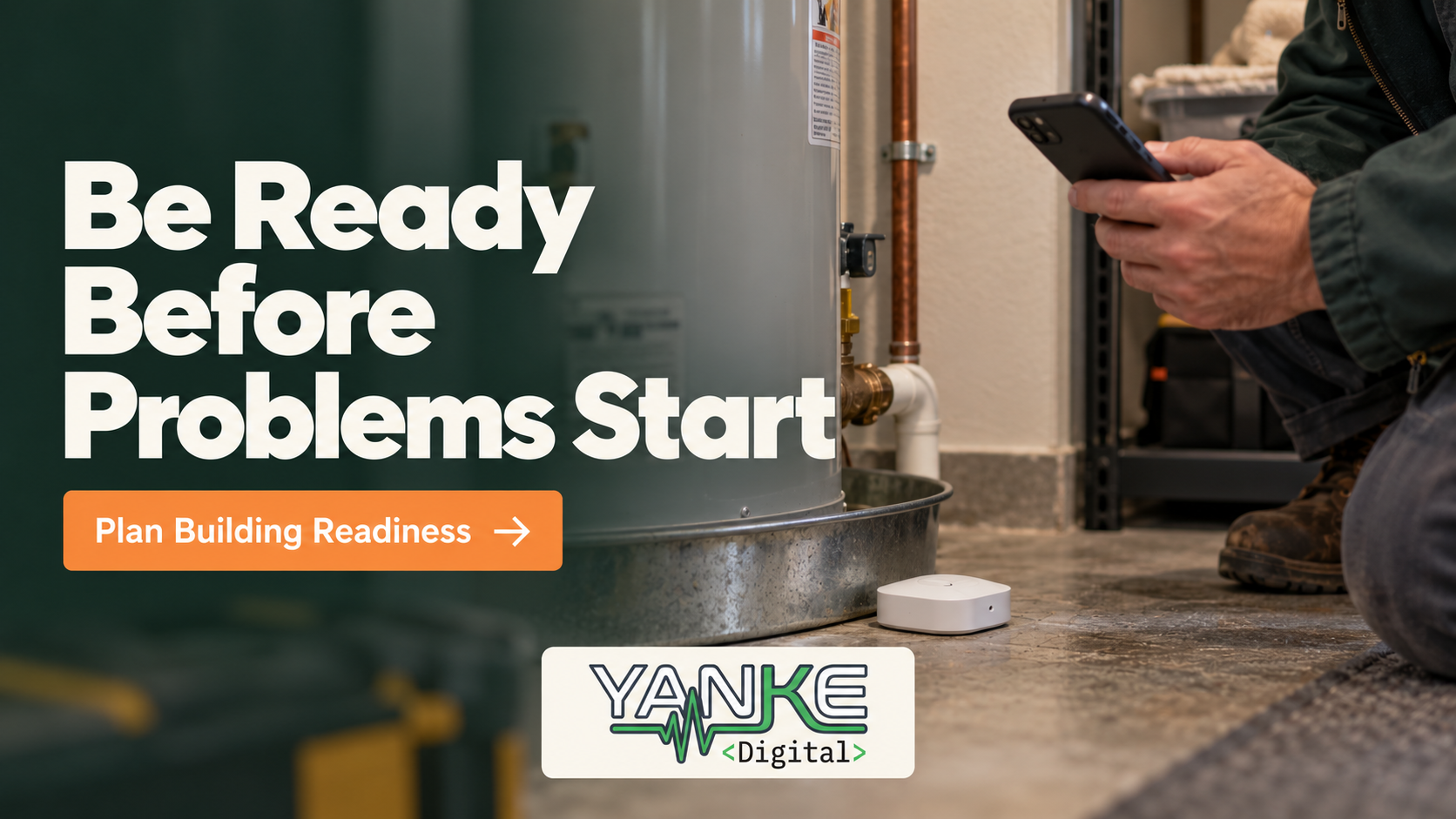
Water detection sensors placed near water heaters, under sinks, beside laundry machines and in mechanical rooms can send an alert the moment they sense moisture. Some setups can also trigger an automatic shut-off valve, depending on the plumbing and equipment involved.
The value is time. An alert at 2 a.m. gives someone a chance to act before the damage reaches the ceiling below. If you’re thinking about how this affects coverage, talk to your insurer. Don’t assume.
Camera records you can actually use
After an incident, the questions start: who came in, when did it happen, which door did they use? Grainy footage from a camera pointed at the wrong spot answers none of them.
A well-designed camera system focuses on:
- Entrances, exits and the intercom panel
- Parkades, mail rooms and garbage areas
- Clear coverage in low light
- Footage that’s easy to find and export when you need to share it with police or an insurer
Placement matters more than resolution. Privacy rules about cameras in shared residential spaces vary, so confirm what’s appropriate for your building.
Lighting that helps people move
Code-required emergency lighting is its own system. Everyday lighting still plays a supporting role. Motion-activated lighting in stairwells, parkades and walkways means people aren’t walking into the dark. Scheduled exterior lighting keeps entrances visible to arriving responders. Lighting controls can be set to turn shared areas fully on when certain events occur, depending on the equipment.
A quick readiness checklist
- Can someone release the front door remotely if no one is on site?
- Is the intercom directory current?
- Do you know where every water heater and laundry machine sits relative to the units below?
- Can you pull up and export camera footage from the last 24 hours in a few minutes?
- Are stairwells, parkades and entrances lit when people need them?
- Do staff know how all of this works?
The part everyone overlooks
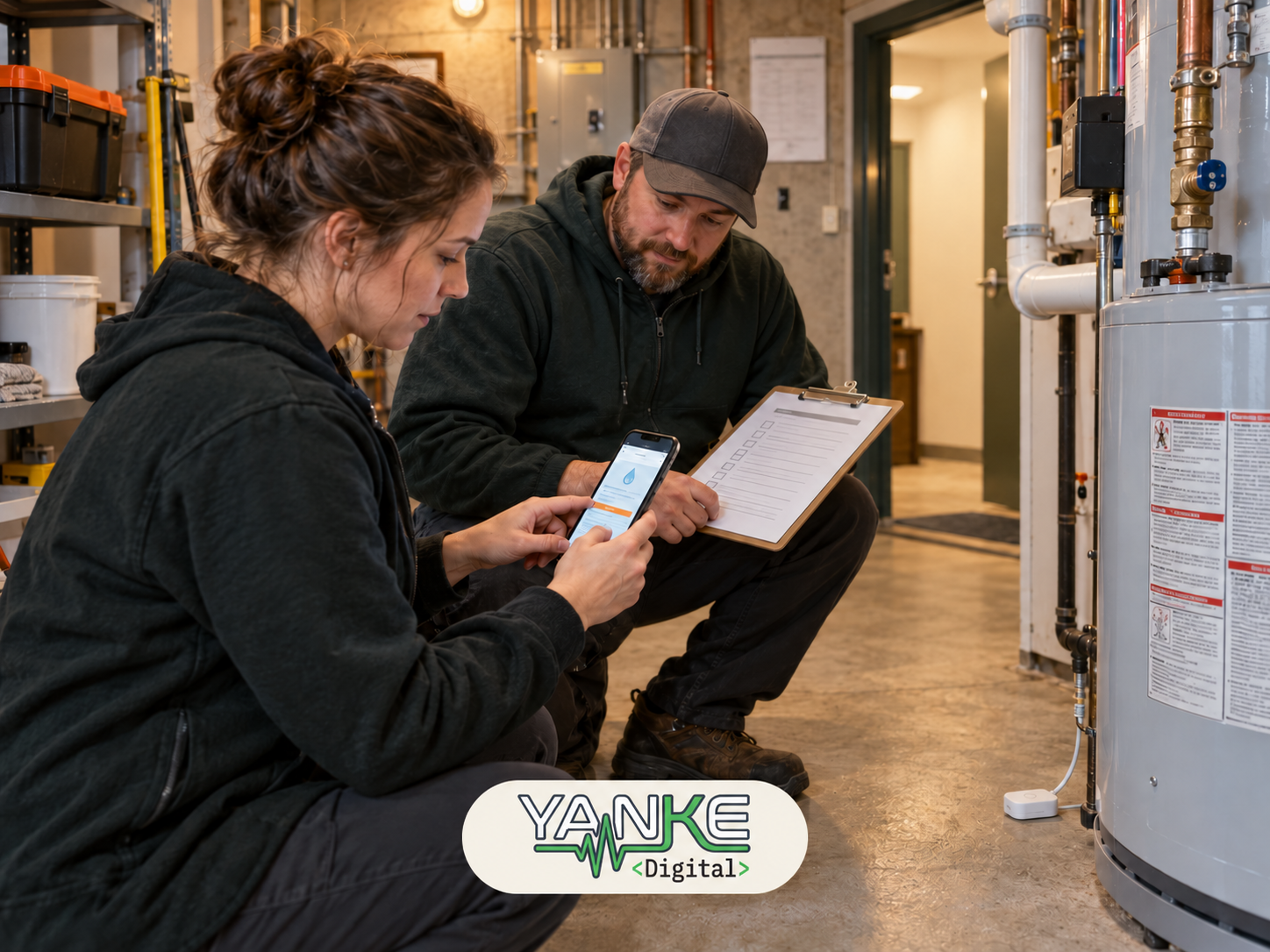
That last question is the one. The most common weak point isn’t missing equipment. It’s that only one person knows how the system works, and that person is on vacation when the pipe bursts.
A remote door release is useless if the caretaker on shift has never opened the app. A camera system doesn’t help if nobody remembers the login. Readiness means the right people can operate the technology calmly, under pressure, without hunting for instructions. Write it down, train more than one person, and practise.
How Yanke Digital helps buildings get ready
We work with multi-unit residential buildings in Saskatoon and across Saskatchewan on exactly these pieces: intercoms and visitor access, smart locks, water detection and alerts, security cameras and lighting controls.
We start with what you already have. We review the building, the existing equipment and wiring, and the things that frustrate your staff and residents, then work out what can stay. From there we lay out the scope, equipment, compatibility, installation and pricing together, so you can prioritize the essentials. You don’t have to do everything at once. Water alerts in mechanical rooms, or a better intercom, is a perfectly good place to start.
We configure and test everything before we call it done. Then we walk your team through the controls, so the knowledge doesn’t live with one person. Ongoing support is available.
Start with one priority
If you’d like to talk through your building, call us at 1-888-698-8001. Or sketch out a starting point with our free online project planner. No contact details needed to use it.
Learn more about our work with condos and apartments on the multi-dwelling page.