Modern multi-family properties face a critical challenge: how to communicate effectively with residents across apartments, condos, and commercial spaces. Traditional methods—bulletin boards, email chains, and phone trees—are slow, unreliable, and often miss key residents. Tenant communication systems and building announcement platforms solve this problem by delivering instant, targeted messages to the right people at the right time. Whether you’re managing emergency alerts, maintenance notifications, or community updates, a modern communication system keeps your residents informed and your property running smoothly.
At Yanke Digital, we specialize in designing integrated tenant communication systems that work seamlessly with your existing smart building infrastructure. This guide explores why modern communication matters, what features to prioritize, and how to implement a system that improves resident satisfaction while reducing operational friction.
Why Tenant Communication Systems Matter for Multi-Family Properties
Effective resident communication directly impacts property value, occupancy rates, and operational efficiency. When residents feel informed and heard, satisfaction increases. When emergencies occur, fast communication can prevent panic and protect lives.
Modern building announcement systems address several critical needs:
- Emergency Response: Alert residents instantly during fires, security breaches, weather events, or utility failures
- Maintenance Coordination: Notify residents before repairs, inspections, or scheduled maintenance without phone calls or door knocks
- Community Engagement: Share building events, policy updates, and important announcements consistently
- Compliance Documentation: Create an audit trail proving residents received critical notices
- Operational Efficiency: Reduce staff time spent on manual communication and follow-ups
- Resident Retention: Demonstrate modern property management that respects residents’ time and preferences
Properties without integrated communication systems often rely on outdated methods that create gaps, missed messages, and frustrated residents. A centralized platform eliminates these inefficiencies.
Core Features of Modern Tenant Communication Systems
Not all tenant communication systems are created equal. The best platforms combine multiple channels, automation, and integration with your building’s other smart systems.
Multi-Channel Delivery
Residents consume information differently. Some check email daily; others prefer text messages or in-app notifications. A comprehensive system delivers messages across multiple channels simultaneously:
- Email notifications with rich formatting and attachments
- SMS text messages for urgent alerts
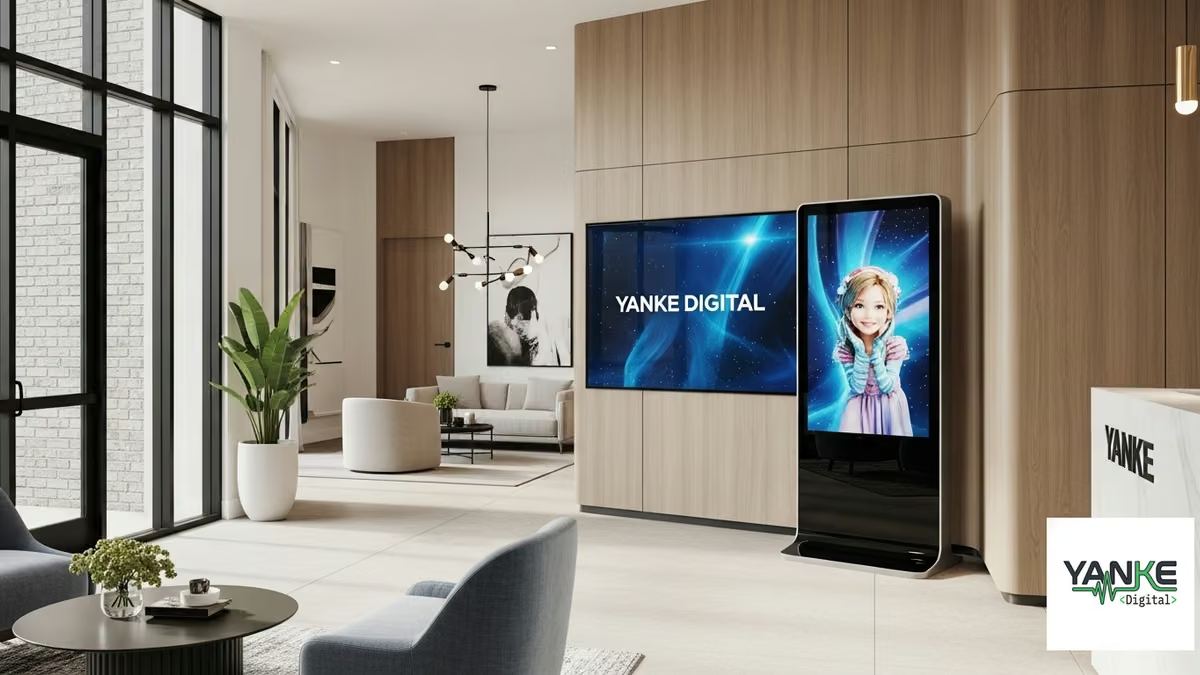
- In-building digital displays and intercoms
- Mobile app push notifications
- Voice calls for critical emergencies
- Web portal access for message history and archives
Multi-channel delivery ensures your message reaches residents regardless of their preferred communication method, reducing missed notifications and improving response rates.
Targeted Messaging & Segmentation
Not every resident needs every announcement. Modern building announcement systems allow you to segment messages by:
- Building or floor (e.g., “Water main work on floors 3-5 only”)
- Unit type (e.g., “Parking lot resurfacing affects ground-level units”)
- Resident role (e.g., “Board members only” announcements)
- Opt-in preferences (e.g., residents who want event notifications)
- Emergency level (e.g., immediate evacuation vs. informational updates)
Targeted messaging reduces notification fatigue, improves engagement, and ensures critical information reaches the right audience without overwhelming others.
Integration with Smart Building Systems
The most powerful tenant communication systems integrate with your building’s other smart technologies. When your access control, security, climate, and monitoring systems are connected, communication becomes proactive:
- Flood detection sensors trigger automatic water damage alerts
- Security system breaches trigger immediate resident notifications
- HVAC maintenance needs generate scheduled maintenance announcements
- Door access logs help coordinate delivery and maintenance windows
- Environmental sensors alert residents to air quality or temperature issues
This integration transforms communication from reactive (responding to problems) to proactive (preventing them).
Scheduling & Automation
Manual communication is time-consuming and error-prone. Modern systems include scheduling and automation features:
- Schedule messages in advance for planned maintenance or events
- Set recurring announcements (e.g., monthly rent reminders, seasonal updates)
- Create automated workflows triggered by building events
- Template library for common announcements (saves time and ensures consistency)
- Delivery confirmation and read receipts (know who received your message)
Automation reduces staff workload while improving consistency and compliance documentation.
Building Announcement Systems for Different Property Types
Multi-Family Residential (Apartments & Condos)
Apartment buildings and condominiums benefit most from integrated tenant communication systems because they house many independent households with diverse needs. Key priorities include:
- Emergency alerts (fire, security, weather, utility outages)
- Maintenance notifications (water shut-offs, elevator repairs, pest control)
- Community announcements (events, policy changes, amenity closures)
- Delivery coordination (package notifications, moving windows)
- Parking and traffic updates
For condos, communication systems also support board governance by enabling official notices, meeting announcements, and voting information.
Commercial & Mixed-Use Buildings
Office buildings and mixed-use properties require more sophisticated building announcement systems because they serve multiple tenants with different operational needs:
- Tenant-specific announcements (maintenance affecting only certain floors)
- Building-wide alerts (security incidents, utility issues, emergency procedures)
- Amenity management (conference room bookings, parking updates, cafeteria notices)
- Compliance documentation (required safety notices, regulatory updates)
- Visitor and contractor coordination
Commercial properties benefit from role-based access, allowing property managers, security, and maintenance teams to send targeted messages within their scope.
Emergency Alerts & Critical Communication
One of the most important functions of modern tenant communication systems is emergency response. When seconds matter, a building announcement system can save lives.
Types of Emergency Alerts
- Fire/Evacuation: Immediate alerts via all channels (voice, SMS, visual displays)
- Security Threats: Lockdown procedures, suspicious activity, unauthorized access
- Utility Failures: Power outages, water shut-offs, gas leaks
- Weather Events: Severe storms, flooding, extreme temperatures
- Medical/Hazmat: Chemical spills, biohazard alerts, contamination warnings
- Structural Issues: Elevator failures, roof damage, structural concerns
Best Practices for Emergency Communication
- Test regularly: Conduct monthly or quarterly drills to ensure systems work and residents know how to respond
- Clear language: Use plain English, avoid jargon, include specific instructions (e.g., “Evacuate via stairwell A, do not use elevators”)
- Multiple channels: Don’t rely on email alone—use voice, SMS, and visual displays for critical alerts
- Follow-up communication: After the emergency, provide updates on status and next steps
- Accessibility: Ensure alerts work for residents with hearing or vision impairments
- Chain of command: Establish clear protocols for who can issue emergency alerts and in what order
Maintenance & Operational Notifications
Beyond emergencies, tenant communication systems streamline routine maintenance coordination—one of the biggest operational challenges for property managers.
Planned Maintenance Announcements
When maintenance is scheduled, residents need advance notice. A modern system allows you to:
- Send notices 48-72 hours before work begins (meets legal requirements in many jurisdictions)
- Specify which units are affected and why
- Provide estimated duration and impact (e.g., “Water will be shut off 8am-12pm”)
- Include contractor information and emergency contact numbers
- Request access or special instructions (e.g., “Please ensure pets are secured”)
- Follow up after completion with confirmation and any resident action needed
This reduces missed appointments, resident frustration, and repeat visits—saving time and money.
Preventive Maintenance Alerts
When integrated with smart building systems, building announcement systems can alert residents to issues before they become emergencies:
- Flood detection: “Water leak detected in unit 402. Please check your bathroom and contact maintenance immediately.”
- HVAC issues: “Heating system maintenance scheduled for Tuesday. Please ensure your thermostat is accessible.”
- Pest control: “Quarterly pest prevention treatment scheduled. Please secure food and pets.”
- Elevator maintenance: “Elevator maintenance on Friday. Please use stairs or plan extra time for travel.”
Resident Engagement & Community Building
Beyond operations and emergencies, tenant communication systems strengthen community by keeping residents informed and engaged.
Community Announcements
- Upcoming building events (social gatherings, fitness classes, workshops)
- Amenity updates (gym renovations, pool maintenance, parking lot resurfacing)
- Policy changes (new parking rules, quiet hours, pet policies)
- Seasonal reminders (snow removal procedures, holiday decorations, summer cooling tips)
- Resident spotlights and community news
Regular, positive communication builds community pride and improves resident retention.
Feedback & Surveys
Modern systems often include survey and feedback tools, allowing property managers to:
- Gather resident satisfaction feedback
- Identify maintenance issues residents have noticed
- Understand preferences for communication timing and channels
- Collect input on community events and amenities
- Build data to support property improvements and marketing
Compliance & Legal Documentation
Property managers face strict legal requirements around resident communication. Tenant communication systems help ensure compliance by creating permanent records.
Required Notices & Compliance
- Maintenance notices: Most jurisdictions require 24-48 hours advance notice before entering units
- Lease violations: Formal notice of violations must be documented
- Safety information: Lead paint disclosures, mold notices, asbestos warnings
- Rent increases: Legal notice periods vary by location but must be documented
- Emergency procedures: Residents must receive evacuation plans and emergency contact information
- Insurance & liability: Documentation of notice delivery protects against claims
Audit Trails & Proof of Delivery
A robust building announcement system provides:
- Timestamped delivery records showing when each resident received a message
- Read receipts confirming message was opened
- Searchable archives of all communications
- Export capabilities for legal proceedings or audits
- Multi-language support for diverse resident populations
This documentation protects property managers in disputes and demonstrates good-faith compliance efforts.
Choosing the Right Tenant Communication System
When evaluating tenant communication systems for your property, consider these key factors:
Ease of Use
Your staff will use this system daily. It should be intuitive enough that new team members can send messages without extensive training. Look for:
- Clean, logical interface
- Pre-built templates for common messages
- Drag-and-drop message composition
- Mobile app for on-the-go communication
- Responsive customer support and training
Scalability & Flexibility
Your property may grow or change. The system should adapt:
- Support for hundreds or thousands of residents
- Ability to add new communication channels as technology evolves
- Customizable workflows and automation rules
- API access for integration with other building systems
- Multi-property support if you manage multiple buildings
Integration with Smart Building Systems
The best tenant communication systems work seamlessly with your other building technologies. Ask about integration with:
- Access control and smart locks
- Security systems and cameras
- Environmental sensors and climate control
- Flood detection and water monitoring
- Intercoms and video doorbells
- Property management software
At Yanke Digital, we specialize in designing integrated systems where communication, security, and building automation work together. Learn how our custom smart building solutions can transform your property management operations.
Security & Privacy
Resident data is sensitive. Ensure your system includes:
- End-to-end encryption for messages
- Secure user authentication (multi-factor if possible)
- GDPR and privacy law compliance
- Regular security audits and penetration testing
- Data backup and disaster recovery
- Clear data retention and deletion policies
Cost & ROI
Pricing models vary widely. Consider:
- Per-unit monthly fees vs. flat platform fees
- Included features vs. add-on costs
- Setup and training costs
- ROI from reduced staff time and improved resident retention
- Cost of NOT having a system (missed notices, compliance issues, resident turnover)
Implementation Best Practices
Deploying a new tenant communication system requires planning and change management. Follow these steps for success:
Phase 1: Planning & Selection
- Assess your current communication challenges and goals
- Evaluate multiple vendors and request demos
- Check references from similar properties
- Negotiate pricing and service level agreements
- Plan integration with existing building systems
Phase 2: Setup & Configuration
- Import resident contact information and preferences
- Configure user roles and permissions for staff
- Set up message templates for common announcements
- Establish approval workflows if needed
- Test all communication channels (email, SMS, app, displays)
- Integrate with smart building systems and property management software
Phase 3: Resident Education
- Send welcome message explaining the new system
- Provide instructions for accessing messages and setting preferences
- Host optional training sessions or webinars
- Create FAQ document addressing common questions
- Conduct test message to ensure residents know how to receive alerts
- Gather feedback and address concerns
Phase 4: Launch & Optimization
- Start with low-volume announcements to build confidence
- Monitor delivery rates and resident engagement
- Adjust messaging frequency and timing based on feedback
- Refine templates and workflows based on real-world use
- Conduct emergency alert drills to test system reliability
- Continuously improve based on metrics and resident feedback
Measuring Success: Key Metrics
How do you know if your tenant communication system is working? Track these metrics:
- Delivery rate: Percentage of messages successfully delivered (target: 95%+)
- Open/read rate: Percentage of residents who open messages (target: 70%+)
- Response rate: For messages requiring action (maintenance access, surveys)
- Missed appointments: Reduction in no-shows for maintenance (should decrease significantly)
- Resident satisfaction: Survey feedback on communication quality and frequency
- Staff efficiency: Time saved on manual communication and follow-ups
- Compliance documentation: Audit trail completeness and legal defensibility
- Resident retention: Impact on lease renewal rates and turnover
The Future of Building Announcements & Resident Communication
Technology is rapidly evolving. Forward-thinking properties should consider emerging trends in tenant communication systems:
AI-Powered Personalization
Machine learning can optimize message timing and content based on individual resident behavior, improving engagement and reducing notification fatigue.
Voice & Conversational AI
Residents may soon interact with building systems via voice commands or chatbots, asking questions about maintenance, amenities, or policies without staff involvement.
Predictive Maintenance Alerts
IoT sensors combined with AI can predict equipment failures before they occur, allowing proactive resident communication and preventive action.
Blockchain for Compliance
Immutable records of resident notifications could provide stronger legal protection and simplify audits.
Integration with Smart Home Devices
Building announcements could appear on resident smart speakers, displays, and mobile devices, creating a truly omnichannel experience.
Properties that invest in flexible, future-proof tenant communication systems today will be best positioned to adopt these innovations tomorrow.
How Yanke Digital Designs Custom Tenant Communication Solutions
At Yanke Digital, we don’t just recommend off-the-shelf building announcement systems—we design custom solutions tailored to your property’s unique needs. Our approach includes:
- Discovery & Assessment: We understand your current communication challenges, resident demographics, and operational workflows
- System Design: We design an integrated solution that combines tenant communication with your security, access control, and environmental monitoring systems
- Custom Integration: We connect your communication platform with existing property management software, smart building devices, and emergency systems
- Staff Training: We ensure your team can confidently use the system from day one
- Resident Education: We help you launch the system smoothly with clear resident communication and support
- Ongoing Support: We provide 24/7 support and continuous optimization to ensure your system evolves with your property’s needs
Whether you manage a small residential building, a large multi-family complex, or a commercial office tower, Yanke Digital can design a communication system that improves operations, enhances resident satisfaction, and protects your property. Contact us today to discuss your tenant communication needs and schedule a consultation with our smart building experts.
Conclusion: Transform Your Property with Modern Tenant Communication
Effective tenant communication systems and building announcement platforms are no longer optional—they’re essential for modern property management. From emergency alerts to routine maintenance coordination, a well-designed system improves safety, efficiency, compliance, and resident satisfaction.
The best systems integrate seamlessly with your building’s other smart technologies, creating a unified ecosystem where communication, security, access control, and environmental monitoring work together. This integration transforms reactive property management into proactive, data-driven operations.
Whether you’re managing a single building or a portfolio of properties, investing in a modern tenant communication system delivers measurable ROI through reduced staff time, improved resident retention, better compliance documentation, and enhanced emergency response capabilities.
Ready to upgrade your property’s communication infrastructure? Yanke Digital specializes in designing integrated smart building solutions that bring your property into the modern era. Contact our team today to learn how we can transform your resident communication and building operations.