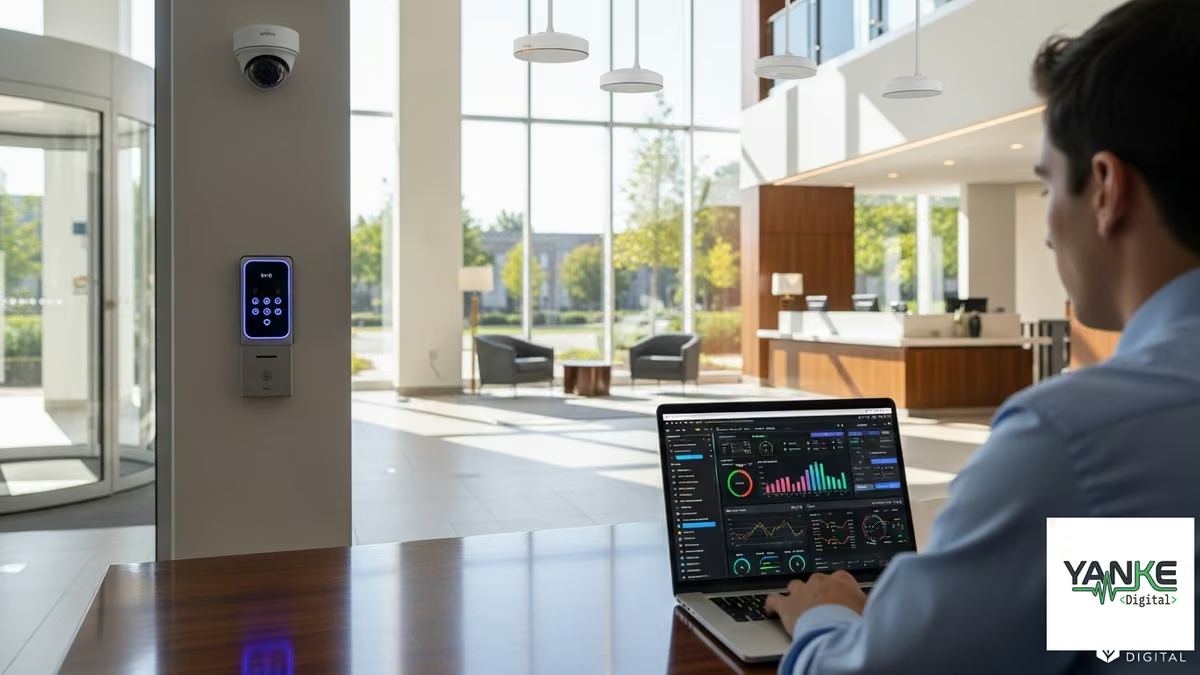
As your business grows, so do your operational demands. Whether you’re managing a single residential property, a multi-dwelling complex, or expanding commercial operations across multiple locations, smart building scalability becomes critical to sustainable growth. Smart building systems that scale with your business—rather than against it—enable you to add new properties, integrate additional devices, and manage everything from a unified platform without costly overhauls or system replacements.
The challenge isn’t just installing smart technology today; it’s building infrastructure that grows intelligently as your business expands. This article explores how forward-thinking property managers, facility operators, and business owners approach smart building scalability to future-proof their investments and maintain operational efficiency across growing portfolios.
What Is Smart Building Scalability and Why It Matters
Smart building scalability refers to the ability of your automation and control systems to expand seamlessly as your business grows—adding new properties, zones, devices, and users without degrading performance or requiring complete system redesigns. A scalable smart building infrastructure supports your growth trajectory, not your current footprint alone.
For businesses expanding across multiple locations, scalability directly impacts:
- Operational costs: Unified management reduces per-property overhead and training requirements
- System reliability: Centralized monitoring catches issues before they affect tenants or operations
- Time to deployment: Standardized architectures accelerate onboarding of new properties
- Vendor flexibility: Open-standard systems allow you to integrate new devices and platforms without lock-in
- ROI timeline: Efficient systems justify investment faster and scale profitably
Without scalability built into your foundation, each new property becomes a separate project—different systems, different interfaces, different support requirements. That fragmentation kills efficiency and turns growth into a liability.
The Core Principles of Scalable Building Automation
1. Unified Platform Architecture
Scalable smart building systems run on a unified platform that manages all properties, zones, and devices from a single dashboard. This eliminates the need to switch between multiple interfaces, reduces training overhead, and provides consistent visibility across your entire portfolio.
Key characteristics of a unified platform:
- Centralized user management and permissions
- Real-time alerts and monitoring across all locations
- Standardized reporting and analytics
- Single point of integration for new devices or services
2. Modular System Design
Rather than monolithic systems that require complete replacement when you expand, modular architectures let you add capabilities incrementally. Security systems, climate control, access management, and surveillance can be deployed independently and integrated seamlessly—allowing you to scale specific functions based on property needs and budget.
3. Open Standards and Interoperability
Systems built on open standards (like Z-Wave, Zigbee, Matter, or IP-based protocols) avoid vendor lock-in and enable you to integrate devices from multiple manufacturers. This flexibility is essential for growing automation systems because it lets you choose the best-in-class solutions for each function without being forced into proprietary ecosystems.
Closed, proprietary systems may seem simpler initially, but they become liabilities as your portfolio grows and your needs diversify.
4. Cloud-Based Infrastructure with Local Resilience
Cloud platforms enable centralized management and analytics across multiple locations while local gateways ensure that critical systems (access control, security, climate) continue operating even if internet connectivity drops. This hybrid approach scales reliably without creating single points of failure.
Designing for Expansion: Multi-Location Smart Systems Strategy
When planning smart building scalability for multi-location operations, the design phase determines your growth ceiling. Here’s how to approach it strategically:
Start with a Standardized Blueprint
Define a standard configuration for your core systems (security, access, climate, monitoring) that can be deployed consistently across new properties. This blueprint should account for:
- Network infrastructure requirements (bandwidth, redundancy, backup connectivity)
- Device placement and coverage (cameras, sensors, access points)
- User roles and permission structures
- Integration points with existing business systems (tenant management, billing, maintenance)
- Compliance and regulatory requirements for your industry and jurisdiction
A well-designed blueprint reduces deployment time from weeks to days and ensures consistency across your portfolio.
Plan for Capacity and Headroom
Scalable systems are designed with growth headroom built in. Network bandwidth, processing capacity, and storage should accommodate your projected portfolio size—not just your current footprint. This prevents the need for expensive mid-life upgrades and maintains performance as you expand.
Implement Tiered User Management
As your business grows, you’ll have property managers, facility teams, tenants, and corporate oversight all needing different levels of access. A scalable system supports role-based permissions that can be deployed consistently across all locations, making it easy to onboard new team members and maintain security.
Building Automation Growth Strategy: Practical Implementation
Phase 1: Assess Your Current State
Before scaling, understand what you’re working with. Document existing systems, identify integration points, and evaluate whether your current infrastructure can support growth or needs replacement. Many businesses discover that their initial systems weren’t designed for expansion and require significant rework.
Phase 2: Design Your Scalable Architecture
Work with experienced system integrators to design an architecture that supports your 3–5 year growth plan. This includes selecting platforms, defining standards, and planning integration points. The investment in proper design pays dividends as you expand.
Phase 3: Pilot and Validate
Deploy your standardized system at one or two pilot properties before rolling out across your portfolio. This allows you to refine processes, train teams, and validate that the architecture actually supports your operational needs before scaling.
Phase 4: Standardize and Deploy
Once validated, deploy your standardized configuration across new properties. Because the blueprint is proven and repeatable, deployment becomes faster and more predictable with each new location.
Phase 5: Monitor, Optimize, and Iterate
Continuously monitor system performance, user feedback, and operational metrics across your portfolio. Use this data to refine your blueprint and identify opportunities for optimization. Expandable building automation systems should evolve as your business learns what works best.
Key Technologies for Scalable Smart Buildings
Centralized Management Platforms
Platforms like Hubitat, Home Assistant (enterprise), or commercial BMS solutions provide the unified dashboard needed to manage multiple properties. Look for platforms that support:
- Multi-site management and role-based access
- API integrations with your existing business systems
- Scalable cloud infrastructure
- Local processing for critical systems
Network Infrastructure
Robust networking is the foundation of scalable smart buildings. Enterprise-grade WiFi, wired backbone networks, and redundant connectivity ensure that your systems remain responsive and reliable as device counts grow. Poor network design becomes a bottleneck quickly.
Security and Access Control
Integrated access control systems that work across multiple properties—supporting smart locks, intercoms, and credential management from a single platform—are essential for growing automation systems. This eliminates the need to manage separate systems at each location.
Monitoring and Analytics
Centralized monitoring systems that aggregate data from all properties enable you to identify trends, predict maintenance needs, and optimize operations at scale. Real-time alerts ensure that issues are caught before they impact tenants or operations.
Common Scalability Pitfalls and How to Avoid Them
Pitfall 1: Choosing Proprietary Systems for Initial Deployment
Proprietary systems may offer simplicity initially, but they become expensive liabilities as you scale. You’ll be locked into a single vendor, unable to integrate best-in-class solutions, and facing high costs for expansion. Open-standard systems cost slightly more upfront but pay for themselves through flexibility and lower long-term costs.
Pitfall 2: Underestimating Network Requirements
Smart buildings generate significant data traffic. Insufficient bandwidth, poor WiFi coverage, or inadequate network redundancy will cripple your system as you add devices and locations. Plan network infrastructure for 3–5 years of growth, not just current needs.
Pitfall 3: Skipping the Pilot Phase
Rushing to deploy across multiple locations without validating your architecture at a pilot site leads to expensive rework and operational disruptions. Invest the time to prove your design before scaling.
Pitfall 4: Neglecting User Training and Change Management
Technology is only as effective as the people using it. As you scale, invest in comprehensive training for property managers, facility teams, and tenants. Poor adoption undermines the ROI of your smart building investment.
Pitfall 5: Ignoring Integration with Existing Business Systems
Smart building systems don’t exist in isolation. They need to integrate with tenant management, billing, maintenance, and other business systems. Plan these integrations from the start rather than bolting them on later.
Smart Building Scalability for Different Property Types
Residential Homes
For single-family residential properties, smart building scalability means designing systems that can grow with homeowner needs—from initial security and climate control to future additions like water detection or advanced automation. Standardized installation practices and modular device selection enable efficient scaling across a residential portfolio.
Multi-Dwelling Units (Apartments, Condos)
Multi-dwelling properties benefit significantly from centralized management. A unified platform can manage access control, security monitoring, climate systems, and maintenance alerts across dozens or hundreds of units. This is where multi-location smart systems deliver the most operational efficiency and cost savings.
Commercial Buildings
Commercial properties often have more complex requirements—multiple tenants, regulatory compliance, energy management, and sophisticated security. Scalable systems for commercial buildings must support tenant isolation, detailed access controls, and integration with enterprise systems like HVAC and lighting management.
The Role of Professional System Integration in Scalability
While DIY smart home solutions work for individual properties, scaling across multiple locations requires professional system integration. Experienced integrators bring:
- Architectural expertise: Designing systems that actually scale, not just work today
- Standards knowledge: Understanding which platforms, protocols, and devices support growth
- Integration experience: Connecting smart building systems with your existing business infrastructure
- Ongoing support: Maintaining and optimizing systems as you expand
- Future-proofing: Building flexibility into designs so you’re not locked into today’s technology
At Yanke Digital, we specialize in designing and deploying scalable smart building systems for residential, multi-dwelling, and commercial properties across Saskatchewan. Our approach prioritizes custom architecture that grows with your business, open-standard integrations that avoid vendor lock-in, and ongoing support that keeps your systems optimized as you expand.
Measuring Success: KPIs for Scalable Smart Building Systems
To validate that your smart building scalability strategy is working, track these key performance indicators:
- Deployment time per property: Should decrease as your standardized blueprint matures
- System uptime: Target 99.5%+ availability across all locations
- Mean time to resolution (MTTR): How quickly issues are identified and resolved
- User adoption rate: Percentage of property managers and tenants actively using the system
- Cost per managed device: Should decrease as you scale due to standardization and efficiency
- Energy savings: Measurable reduction in utility costs through intelligent climate control
- Security incidents: Reduction in unauthorized access or security breaches
- Maintenance efficiency: Faster issue detection and resolution through centralized monitoring
These metrics help you understand whether your building automation growth strategy is delivering the operational and financial benefits you expected.
Future-Proofing Your Smart Building Investment
Technology evolves rapidly. To ensure your smart building systems remain relevant as your business grows:
- Choose platforms with active development: Ensure your core systems receive regular updates and new feature support
- Plan for protocol evolution: Design systems that can migrate to newer standards (e.g., from Zigbee to Matter) without complete replacement
- Maintain vendor relationships: Work with integrators and manufacturers who invest in long-term support and innovation
- Build flexibility into architecture: Avoid tight coupling between components so you can upgrade individual systems without affecting others
- Document everything: Maintain detailed records of your system design, configurations, and integrations so future teams understand and can evolve the system
A well-designed scalable system isn’t just built for today’s growth—it’s architected to adapt as technology and your business needs evolve.
Getting Started: Your Smart Building Scalability Roadmap
If you’re managing multiple properties or planning significant expansion, here’s how to begin:
- Assess your current state: Document existing systems, identify pain points, and clarify your growth timeline
- Define your requirements: What functions matter most? (Security, climate, access, monitoring, etc.)
- Evaluate platform options: Research centralized management systems that support your property types and scale
- Partner with experienced integrators: Work with professionals who understand smart building scalability and can design for your specific needs
- Develop your standardized blueprint: Create a repeatable configuration that can be deployed consistently across new properties
- Pilot and validate: Test your design at one or two properties before full rollout
- Plan your deployment timeline: Schedule expansion in phases that allow for learning and optimization
- Establish ongoing support: Ensure you have vendor and integrator support to maintain and optimize systems as you grow
Smart building scalability isn’t a luxury—it’s a necessity for businesses planning to grow. The right architecture, platforms, and partnerships enable you to expand efficiently, maintain operational excellence, and deliver better experiences to tenants and customers across all your properties.
Ready to design a scalable smart building system for your expanding business? Contact Yanke Digital to discuss how we can architect solutions that grow with you. We specialize in custom design and integration for residential, multi-dwelling, and commercial properties throughout Saskatchewan, ensuring your smart building investment scales reliably as your business expands.