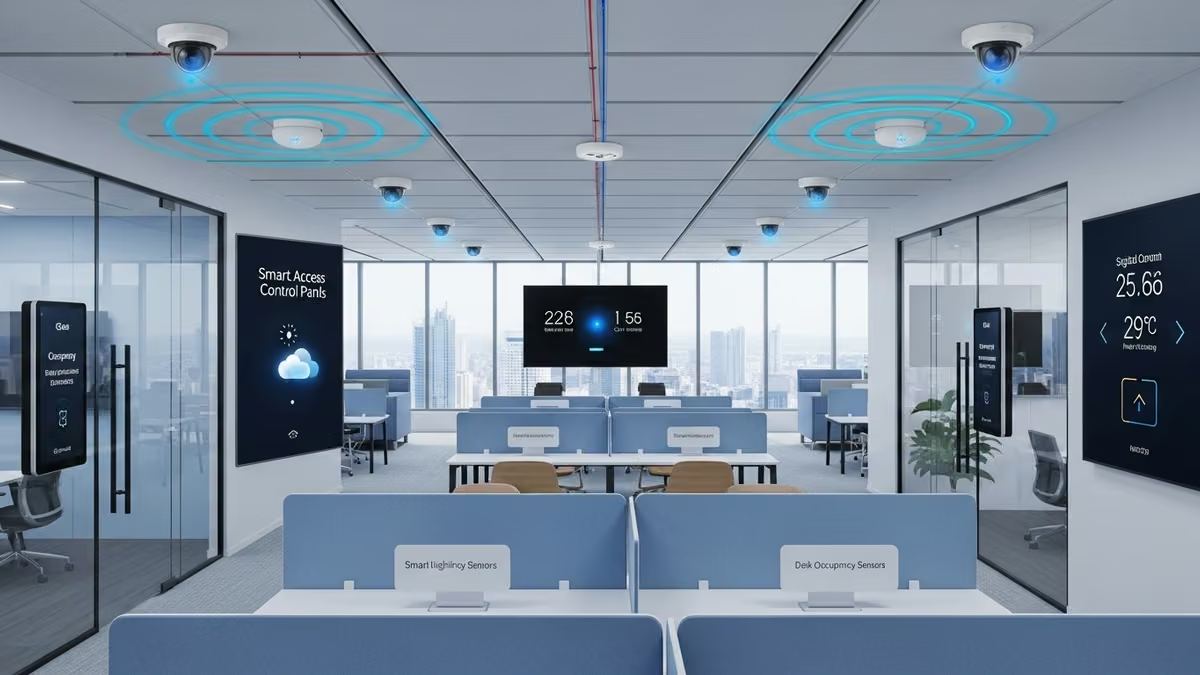
Building a smart system that grows with your business requires more than installing the latest gadgets. Scalable future-proof smart building systems are engineered from the ground up to adapt, expand, and evolve as your needs change—without costly rip-and-replace scenarios. Whether you’re managing a residential property, multi-dwelling complex, or commercial facility, the architecture you choose today determines your flexibility tomorrow.
At Yanke Digital, we’ve designed and installed hundreds of smart building solutions across Saskatchewan. We understand that true scalability isn’t just about adding more devices—it’s about building intelligent systems with modular architecture, open standards, and thoughtful integration that anticipate growth.
Why Scalable Smart Building Systems Matter
Many businesses invest in smart technology only to discover their system can’t handle expansion. A security camera system maxes out. WiFi integration becomes unreliable as more devices connect. Climate control zones can’t be added without rewiring entire floors. These aren’t technical failures—they’re design failures.
Scalable future-proof smart building systems solve this problem by building flexibility into the foundation. Instead of rigid, single-vendor ecosystems, modern smart buildings use:
- Modular architecture – Add zones, devices, and features without disrupting existing systems
- Open standards – Integrate devices from multiple manufacturers seamlessly
- Cloud-ready infrastructure – Expand monitoring and control capabilities as your business grows
- API-driven integration – Connect third-party applications and future technologies
- Redundant pathways – Maintain system reliability even as complexity increases
The result? A smart building system that grows with you, not against you.
Core Principles of Future-Proof Automation Design
1. Modular Building Automation Architecture
Think of your smart building like a LEGO set, not a puzzle. Each component should work independently while contributing to the larger system. This modular approach to building automation means:
- Security systems operate independently from climate control
- Surveillance can expand without affecting access control
- New zones can be added without reconfiguring the entire network
- Individual subsystems can be upgraded without replacing everything
When you design with modularity in mind, your expandable smart home systems become genuinely expandable.
2. Open Standards Over Proprietary Lock-In
Proprietary systems promise seamless integration—until the vendor goes out of business or discontinues support. Future-proof automation design prioritizes open standards like:
- Zigbee & Z-Wave – Wireless protocols supported by thousands of devices
- Matter – The emerging standard for cross-platform smart home interoperability
- MQTT – Lightweight messaging protocol for IoT devices
- REST APIs – Standard web interfaces for system integration
Open standards mean you’re never trapped by a single vendor’s roadmap. Your scalable smart building systems remain flexible and future-ready.
3. Intelligent Networking Infrastructure
A smart building is only as smart as its network. Future-proof systems require:
- Dedicated IoT networks – Separate from guest WiFi and corporate traffic
- Mesh networking – Redundant pathways ensure reliability as device count grows
- PoE (Power over Ethernet) – Simplifies installation and reduces cable complexity
- Edge computing – Local processing reduces latency and cloud dependency
- Bandwidth planning – Infrastructure sized for 3-5 year growth projections
Without solid networking, even the best devices can’t perform. This is why we prioritize infrastructure in every scalable future-proof smart building systems design.
Designing for Business Technology Growth
Scalability isn’t just technical—it’s strategic. Your smart building system should align with your business growth plans.
Phase 1: Foundation (Year 1)
Start with core systems that deliver immediate value:
- Security and access control
- Climate control for primary zones
- Basic surveillance
- Reliable networking infrastructure
Phase 2: Expansion (Years 2-3)
Add capabilities without redesigning:
- Extended surveillance coverage
- Additional climate zones
- Flood detection and environmental monitoring
- Advanced analytics and reporting
Phase 3: Optimization (Years 3+)
Leverage data and emerging technologies:
- AI-driven predictive maintenance
- Energy optimization algorithms
- Occupancy-based automation
- Integration with new platforms and devices
This phased approach to business technology growth ensures you’re not over-investing upfront while maintaining the flexibility to expand as your needs evolve.
Key Features of Expandable Smart Home Systems
Custom Software Design That Grows With You
Off-the-shelf smart home apps often feel generic because they are. Scalable future-proof smart building systems require custom software that reflects your specific workflow and expansion plans. This means:
- Dashboards tailored to your role (tenant, manager, technician)
- Automation rules that adapt as zones and devices are added
- Reporting that scales from single-property to multi-property management
- Mobile and web interfaces that grow with your system
Redundancy and Reliability
As your smart building grows, so does the cost of downtime. Future-proof systems include:
- Backup connectivity (cellular, secondary internet)
- Local processing that works even if cloud connection fails
- Automated failover for critical systems
- Comprehensive monitoring and alerting
Security Built In, Not Bolted On
Every new device added to your smart building is a potential security vulnerability. Scalable systems address this through:
- Encryption at rest and in transit
- Role-based access control that scales with team growth
- Regular security updates and patch management
- Network segmentation to isolate critical systems
- Audit logging for compliance and troubleshooting
Real-World Applications Across Property Types
Residential Homes
A family home might start with smart locks and thermostats, then expand to include security cameras, flood detection, and environmental monitoring as needs evolve. Scalable future-proof smart building systems allow this growth without rewiring or replacing core infrastructure.
Multi-Dwelling Units
Apartment buildings and condos benefit enormously from modular architecture. You can deploy security systems unit-by-unit, add climate zones as renovations happen, and expand surveillance coverage without disrupting existing tenants. Each unit operates independently while contributing to building-wide automation.
Commercial Buildings
Office buildings, retail spaces, and industrial facilities face constant change—tenant turnover, space reconfiguration, new security requirements. Expandable smart home systems (adapted for commercial use) provide the flexibility to adapt quickly and cost-effectively.
Common Pitfalls to Avoid
- Over-specifying upfront – Don’t buy capacity you won’t use for 5 years. Design for modular growth instead.
- Ignoring network capacity – WiFi that works fine today becomes a bottleneck as device count grows. Plan for 3-5x growth.
- Choosing proprietary ecosystems – Single-vendor systems feel integrated until you need to integrate something else.
- Skipping documentation – As systems grow, clear documentation becomes critical for maintenance and expansion.
- Neglecting security in the design phase – Adding security later is expensive and often incomplete.
- Underestimating integration complexity – Different devices, protocols, and platforms require thoughtful architecture to work together reliably.
How Yanke Digital Builds Scalable Systems
Our approach to scalable future-proof smart building systems is grounded in three core principles:
1. Custom Design From the Start
We don’t install generic systems. Every scalable smart building system we design begins with a deep understanding of your current needs, growth plans, and operational workflow. We map out your expansion roadmap and design infrastructure that supports it.
2. Open Standards and Proven Platforms
We work with industry-leading platforms and devices that support open standards. This ensures your expandable smart home systems remain flexible and future-ready, regardless of which new technologies emerge.
3. Expert Integration and Ongoing Support
Installation is just the beginning. Our system support and maintenance services ensure your smart building continues to perform as it grows. We handle updates, troubleshooting, and expansion planning so you can focus on your business.
The Long-Term ROI of Future-Proof Design
Investing in scalable future-proof smart building systems costs more upfront than quick-and-dirty installations. But the long-term ROI is substantial:
- Avoid costly rip-and-replace – Modular design means you upgrade components, not entire systems
- Reduce integration headaches – Open standards and thoughtful architecture minimize compatibility issues
- Lower operational costs – Reliable systems with redundancy reduce downtime and emergency repairs
- Faster expansion – Adding new zones or devices takes days, not weeks
- Better data and insights – Scalable systems generate actionable intelligence about your property
- Increased property value – Modern, reliable smart building systems are attractive to tenants and buyers
Getting Started With Your Scalable Smart Building System
Ready to build a smart building system that grows with you? Here’s how to start:
Step 1: Assess Your Current State
Document existing systems, devices, and pain points. Understand what’s working and what needs improvement.
Step 2: Define Your Growth Vision
Where do you want to be in 3-5 years? What new capabilities matter most? This roadmap guides your scalable future-proof smart building systems design.
Step 3: Partner With Experts
Work with a system integrator who understands both your industry and the technical landscape. We can help you navigate options and design a system that truly scales.
Step 4: Implement in Phases
Start with core systems that deliver immediate value, then expand strategically. This approach spreads costs and lets you learn as you grow.
At Yanke Digital, we specialize in designing and installing custom smart building solutions that scale with your business. Whether you’re in Saskatoon, Saskatchewan, or anywhere across the region, we understand the unique challenges of building intelligent systems that grow.
Conclusion: Build Smart, Grow Confidently
Scalable future-proof smart building systems aren’t a luxury—they’re a necessity for any property owner or manager planning for growth. By prioritizing modular architecture, open standards, and thoughtful integration, you create a foundation that adapts to change instead of resisting it.
The smart buildings of tomorrow aren’t built with today’s technology alone. They’re built with flexibility, foresight, and a commitment to continuous improvement. That’s the Yanke Digital difference.
Ready to transform your space with a scalable smart building system? Contact Yanke Digital today to schedule a consultation. Let’s design a system that grows with your vision.