
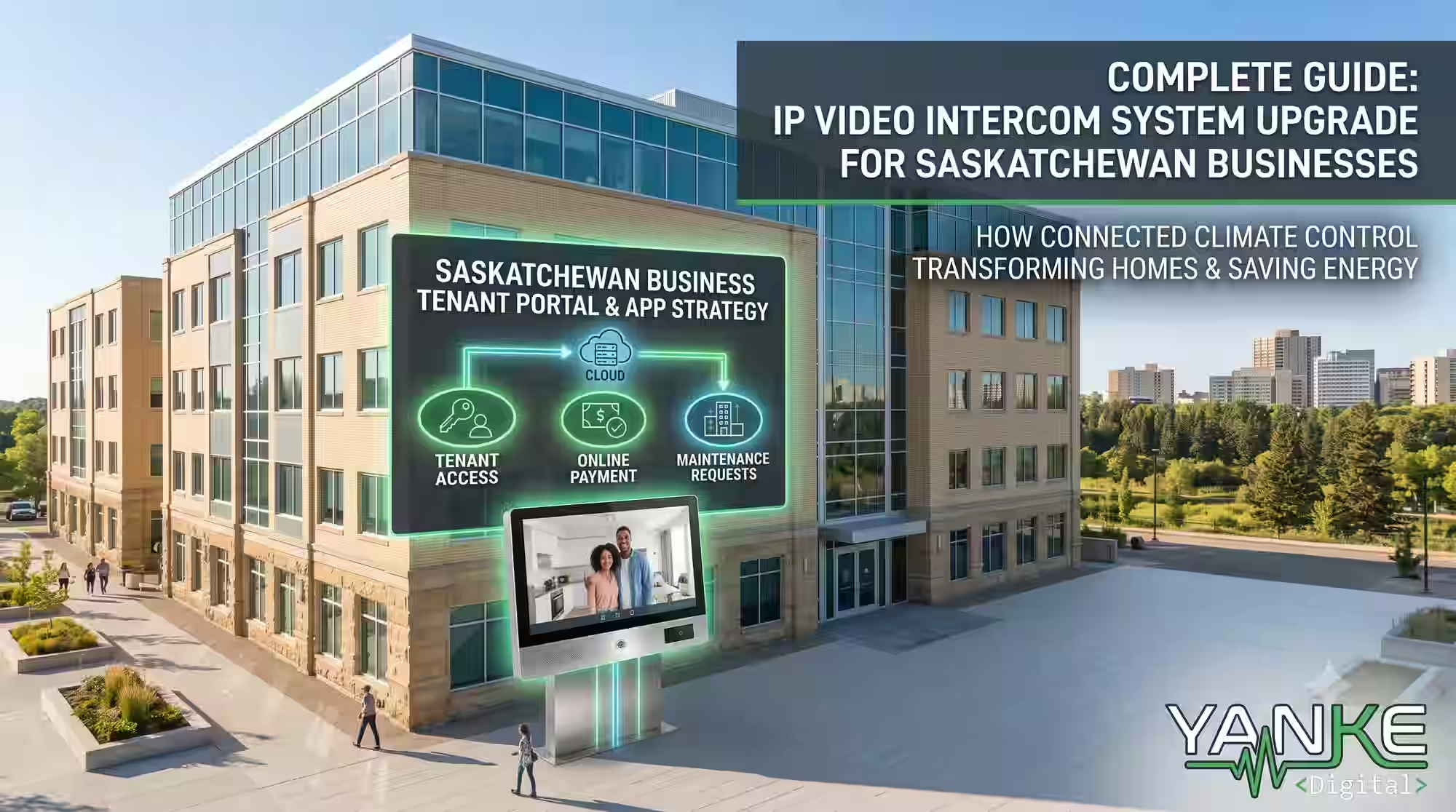
Modern buildings demand modern communication. If your facility still relies on aging analog intercom systems, you’re missing critical security, efficiency, and user experience benefits. An IP video intercom system upgrade transforms how your team, residents, or visitors connect—replacing outdated hardware with intelligent, networked solutions that integrate seamlessly with your broader smart building ecosystem.
At Yanke Digital, we’ve guided dozens of Saskatchewan residential, multi-dwelling, and commercial properties through successful intercom modernization. This guide walks you through why upgrading matters, what to expect during the transition, and how to choose the right IP video intercom system for your space.
Why Upgrade from Analog to IP Video Intercom Systems?
Analog intercoms served their purpose for decades. But they’re limited. They can’t record interactions, they don’t integrate with access control, and they offer no remote management capability. Modern IP video intercom systems solve these problems and add layers of functionality that analog simply cannot match.
Key Benefits of Modern IP Video Intercom Systems
- Remote access: Answer calls and unlock doors from your smartphone, tablet, or desktop—anywhere, anytime
- HD video recording: Capture every interaction for security audits, dispute resolution, and compliance
- Unified communication: Integrate with smart locks, security cameras, and access control into one intelligent platform
- Scalability: Add stations, zones, or buildings without rewiring—IP networks grow with you
- User-friendly interfaces: Touchscreen displays and mobile apps replace confusing button panels
- Two-way audio and video: Crystal-clear communication with HD video at entry points
- Facial recognition (optional): Advanced models can identify and pre-authorize known visitors
- Analytics and reporting: Track entry patterns, response times, and system health in real time
For residential buildings, these upgrades mean safer, more convenient access. For commercial properties, they streamline visitor management and enhance security protocols. For multi-dwelling units, they centralize communication across multiple entry points and units.
Understanding the Analog to IP Transition
The shift from analog to IP-based systems represents a fundamental architectural change. Understanding this transition helps you plan better and avoid common pitfalls.
How Analog Intercoms Work
Analog systems transmit voice signals over dedicated copper wiring. Each station requires its own pair of wires or shared bus lines. They’re simple, reliable, and require no network infrastructure—but they’re also inflexible, limited in features, and difficult to expand or modify.
How IP Video Intercom Systems Work
IP-based systems transmit audio, video, and control signals over your existing network infrastructure (Ethernet or WiFi). This means:
- Stations communicate via standard network protocols
- Video streams are compressed and transmitted like any other network data
- Central management happens through software dashboards, not hardwired panels
- Integration with other smart building systems (locks, cameras, alarms) is native and seamless
- Expansion requires only network access, not new wiring runs
This flexibility is why IP video intercom system upgrades have become the standard for modern building communication.
Analog Intercom Upgrade Benefits: The Business Case
Beyond technical advantages, upgrading delivers measurable business benefits that justify the investment.
Security Improvements
Video recording creates an audit trail. You can review interactions, identify unauthorized access attempts, and provide evidence if disputes arise. Facial recognition capabilities (available on premium systems) can flag known threats or pre-authorize trusted visitors automatically.
Operational Efficiency
Remote access means staff don’t need to physically walk to entry points. Property managers can handle multiple properties from a single dashboard. Visitor management becomes automated—send temporary access codes, schedule deliveries, and monitor traffic patterns without manual intervention.
Tenant and Visitor Experience
Modern interfaces feel intuitive. Video doorbells, smart locks, and mobile app integration make access convenient and secure. For residential properties, this translates to higher satisfaction and easier leasing. For commercial buildings, it projects a professional, tech-forward image.
Cost Savings Over Time
While initial investment is higher than analog, IP systems reduce long-term costs through:
- Reduced service calls (remote diagnostics and updates)
- Lower expansion costs (no new wiring required)
- Integrated systems replacing multiple separate solutions
- Reduced security incidents through better monitoring and access control
Modern Building Communication Systems: What to Look For
Not all IP video intercom systems are created equal. When evaluating options, focus on these critical factors.
Video Quality and Night Vision
Look for at least 1080p (Full HD) resolution, preferably 2K or 4K for larger installations. Night vision capability (infrared LED) is essential for 24/7 security. Wide-angle lenses (120–180 degrees) capture more of the entry area without blind spots.
Integration Ecosystem
Your intercom system should play well with other smart building devices. Look for systems that integrate with:
- Smart locks (keyless entry, temporary codes)
- Security cameras and NVRs (unified recording and playback)
- Access control systems (badge readers, biometric scanners)
- Building management systems (BMS) for centralized monitoring
- Mobile platforms (iOS, Android apps for remote access)
Reliability and Redundancy
Your intercom system is critical infrastructure. Choose systems with:
- Backup power (PoE or battery backup for outdoor stations)
- Failover capabilities (local operation if network goes down)
- Redundant network paths (mesh networking for WiFi systems)
- Professional-grade hardware rated for commercial use
Ease of Use
Complex systems frustrate users and lead to workarounds that compromise security. Prioritize intuitive interfaces, clear call routing, and straightforward mobile apps. Your team should be able to operate the system confidently without extensive training.
Video Intercom Commercial Applications in Saskatchewan
Commercial buildings have unique intercom needs. A modern IP video intercom system upgrade addresses them directly.
Office Buildings and Corporate Campuses
Multi-floor office buildings benefit from centralized visitor management. Receptionists can screen visitors at main entrances, unlock doors remotely, and route calls to appropriate departments. Integration with access control ensures only authorized personnel reach sensitive areas.
Medical and Professional Services
HIPAA-compliant recording and secure communication are non-negotiable. IP systems with encryption, audit logs, and role-based access control meet these requirements while improving patient and client experience.
Retail and Hospitality
Video intercoms at loading docks, back entrances, and service areas streamline operations. Facial recognition can flag known shoplifters or VIP customers. Two-way communication with delivery personnel reduces theft and improves coordination.
Industrial and Warehouse Facilities
Harsh environments demand rugged hardware. Modern IP systems offer industrial-grade stations rated for temperature extremes, dust, and moisture. Integration with access control and time-tracking systems improves security and labor management.
Intercom System Modernization: Planning Your Upgrade
A successful intercom system modernization requires careful planning. Here’s how to approach it.
Step 1: Assess Your Current Infrastructure
Before choosing a new system, understand what you have:
- How many intercom stations do you currently operate?
- What’s the layout of your building(s)?
- What’s your existing network capacity (bandwidth, PoE availability)?
- Are there legacy systems or wiring you want to reuse?
- What integration points matter most (locks, cameras, alarms)?
Step 2: Define Your Requirements
List what you need from a new system:
- Number of entry points and internal stations
- Required video resolution and recording duration
- Integration needs (which systems must connect?)
- Remote access requirements (mobile app, cloud, on-premise?)
- Compliance or regulatory requirements (HIPAA, GDPR, etc.)
- Budget and timeline constraints
Step 3: Choose the Right Technology Partner
This is critical. Your integrator should:
- Have proven experience with IP video intercom system upgrades in your building type
- Understand your local network and power infrastructure
- Offer design services, not just product sales
- Provide professional installation and testing
- Commit to ongoing support and maintenance
At Yanke Digital, we specialize in exactly this. We’ve designed and installed custom smart home and commercial automation solutions across Saskatchewan. We don’t just sell equipment—we design systems tailored to your specific needs, handle professional installation, and provide ongoing support to ensure reliability.
Step 4: Plan the Installation
Minimize disruption by planning strategically:
- Phased approach: Upgrade one building or zone at a time if you operate multiple properties
- Off-hours installation: Schedule work during low-traffic periods
- Parallel operation: Run old and new systems simultaneously during transition if possible
- Staff training: Ensure your team is comfortable with the new system before full deployment
- Testing and validation: Thoroughly test all features before declaring the project complete
Step 5: Establish Support and Maintenance
Your system’s long-term success depends on proper maintenance. Establish:
- Regular firmware updates and security patches
- Quarterly system health checks and performance reviews
- 24/7 support availability for critical issues
- Documentation and training for staff changes
- Planned upgrades as technology evolves
Common Challenges and How to Avoid Them
Intercom modernization projects can hit snags. Knowing what to watch for helps you navigate smoothly.
Network Bandwidth and Congestion
Video streams consume bandwidth. If your network isn’t properly sized, video quality suffers and other applications slow down. Solution: Have your integrator conduct a network audit and upgrade capacity before installation.
Power Supply Limitations
IP systems require reliable power. Outdoor stations need PoE (Power over Ethernet) or dedicated power supplies. Indoor stations may need UPS backup. Solution: Plan power infrastructure as part of your design, not as an afterthought.
Integration Complexity
Connecting your intercom to locks, cameras, and access control requires technical expertise. Misconfigurations create security gaps or operational headaches. Solution: Partner with an integrator experienced in multi-system deployments, not just intercom installers.
User Adoption Resistance
Staff accustomed to old systems may resist change. Inadequate training leads to underutilization of features. Solution: Invest in comprehensive training, create clear documentation, and designate a power user who can support colleagues.
Vendor Lock-In
Proprietary systems can trap you with one vendor. If they discontinue support or raise prices, you’re stuck. Solution: Prioritize systems built on open standards (ONVIF, SIP, standard IP protocols) that offer flexibility and future-proofing.
The Role of Professional Integration in Your Upgrade
An IP video intercom system upgrade is more than buying new hardware. It’s a systems integration project that demands expertise across networking, security, and building automation.
Professional integrators bring several critical advantages:
- Design expertise: They assess your space, workflow, and goals to recommend the right solution—not just the cheapest option
- Installation quality: Proper cabling, power, and network configuration ensure reliability and longevity
- Integration knowledge: They connect your intercom to other systems seamlessly, creating a unified smart building
- Compliance assurance: They ensure your system meets local codes, industry standards, and regulatory requirements
- Ongoing support: They troubleshoot issues, apply updates, and help you optimize performance over time
Yanke Digital offers exactly this level of service. Our team designs custom smart home and building automation solutions that integrate security, access control, and communication into one intelligent ecosystem. We handle everything from initial consultation through installation and long-term support.
Future-Proofing Your Intercom Investment
Technology evolves quickly. When you invest in an IP video intercom system upgrade, choose solutions designed to grow with you.
Scalability
Your system should support adding stations, zones, or buildings without major rework. IP-based architecture makes this easier than analog systems, but not all IP systems are equally scalable. Confirm your chosen platform can handle your anticipated growth.
Software Updates and Feature Additions
Vendors regularly release firmware updates that add features, improve performance, and patch security vulnerabilities. Choose systems from vendors committed to long-term support and regular updates.
Integration with Emerging Technologies
AI-powered analytics, advanced facial recognition, and IoT sensors are becoming standard in smart buildings. Your intercom system should be able to integrate with these emerging technologies without replacement.
Open Standards and Interoperability
Systems built on open standards (ONVIF for video, SIP for voice, standard IP protocols) are more future-proof than proprietary solutions. They’re easier to integrate, upgrade, and replace if needed.
Getting Started with Your IP Video Intercom System Upgrade
Ready to modernize your building’s communication? The first step is a professional assessment.
Yanke Digital specializes in IP video intercom system upgrades for residential, multi-dwelling, and commercial properties across Saskatchewan. We’ll evaluate your current setup, understand your goals, and design a solution that enhances security, improves efficiency, and integrates seamlessly with your broader smart building ecosystem.
Contact Yanke Digital today to schedule a consultation. Let’s discuss how a modern intercom system can transform your building’s communication and security.
Key Takeaways
- IP video intercom systems replace outdated analog technology with networked, feature-rich solutions
- Benefits include remote access, HD video recording, integration with smart building systems, and improved user experience
- Modern systems support residential, multi-dwelling, and commercial applications with tailored features for each
- Successful upgrades require careful planning, professional integration, and ongoing support
- Future-proof your investment by choosing scalable, standards-based systems from vendors committed to long-term support
- Professional integrators like Yanke Digital ensure design quality, proper installation, and seamless integration with your existing infrastructure