
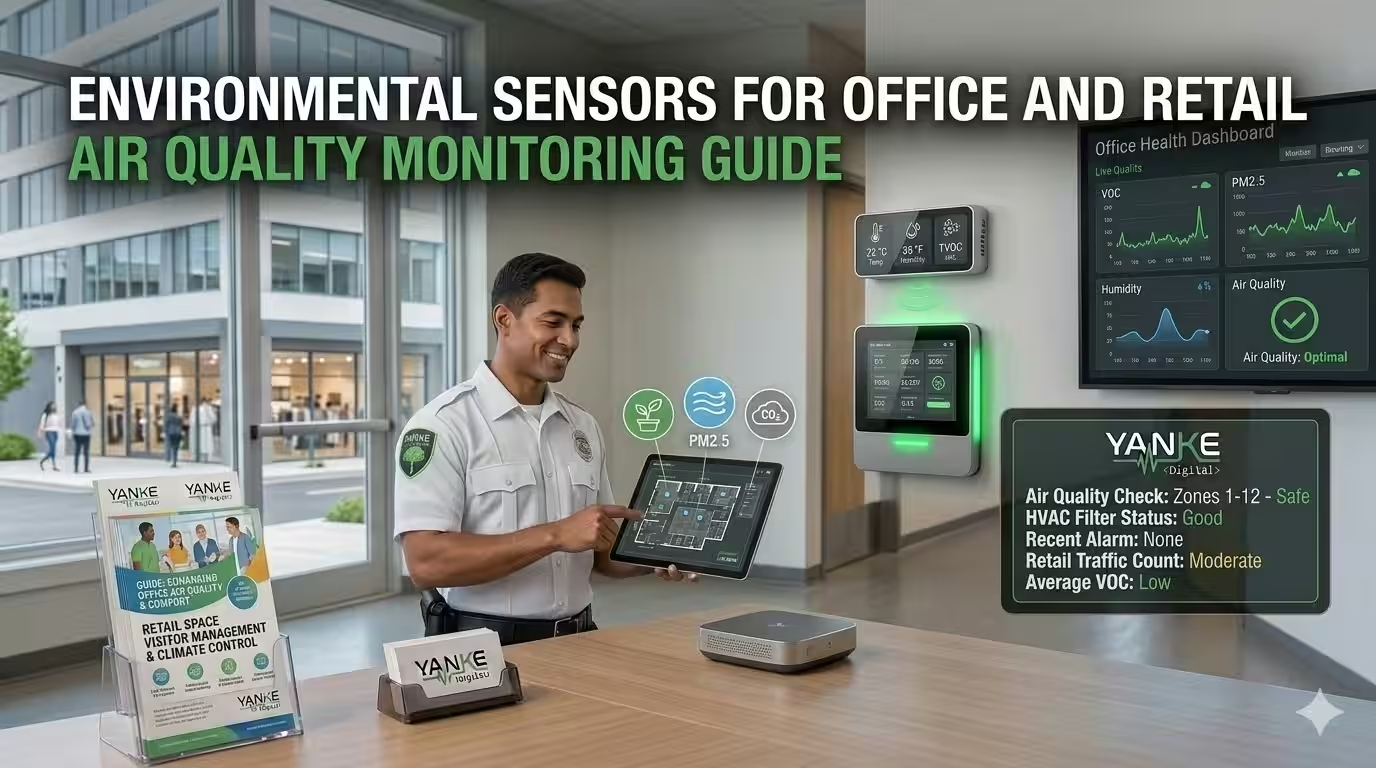
Indoor air quality has become a critical concern for modern workplaces. Environmental sensors in office and retail spaces monitor air quality in real time, helping facility managers and business owners protect employee wellness while improving operational efficiency. Whether you’re managing a retail storefront, corporate office, or multi-tenant building, understanding how environmental sensors work—and why they matter—is essential for creating a healthier, more productive environment.
Why Environmental Sensors Matter in Modern Offices & Retail Spaces
The average office worker spends 8+ hours per day indoors. Poor air quality directly impacts cognitive function, productivity, and employee health. Environmental sensors provide continuous monitoring of key air quality metrics, allowing you to respond proactively rather than reactively.
Research shows that improved indoor air quality correlates with better focus, fewer sick days, and higher employee satisfaction. For retail environments, air quality also influences customer comfort and dwell time—factors that directly affect sales performance.
- CO₂ Levels: High CO₂ reduces cognitive performance and decision-making ability
- Particulate Matter (PM2.5): Fine particles penetrate deep into lungs, causing respiratory issues
- Volatile Organic Compounds (VOCs): Off-gassing from furniture, cleaning products, and materials
- Temperature & Humidity: Comfort and mold prevention depend on optimal ranges
- Allergens: Pollen and dust accumulation affect air quality throughout the day
Key Metrics: What Environmental Sensors Actually Measure
Modern environmental sensors track multiple air quality parameters simultaneously. Understanding what each metric means helps you make informed decisions about ventilation, filtration, and system adjustments.
Carbon Dioxide (CO₂) Monitoring
CO₂ is a direct indicator of ventilation effectiveness. When CO₂ levels exceed 1,000 ppm, occupant alertness and productivity decline measurably. Environmental sensors that monitor CO₂ help you optimize HVAC settings and ensure adequate fresh air intake without wasting energy.
Particulate Matter (PM2.5 & PM10)
Particulate matter includes dust, pollen, and pollution particles. PM2.5 (particles smaller than 2.5 micrometers) are especially harmful because they bypass upper respiratory defenses and lodge in the lungs. Environmental sensors detect these particles in real time, triggering air purification responses when levels spike.
Volatile Organic Compounds (VOCs)
VOCs are invisible gases released from paints, adhesives, cleaning products, and office equipment. They cause headaches, respiratory irritation, and fatigue. Environmental sensors that measure VOCs help identify pollution sources and guide remediation efforts.
Temperature & Humidity
Optimal comfort ranges are 68–72°F and 40–60% relative humidity. Outside these ranges, occupants experience discomfort, and mold growth becomes a risk. Environmental sensors maintain these parameters automatically through integrated climate control systems.
How Environmental Sensors Improve Employee Wellness
The connection between air quality and employee wellness is well-documented. Environmental sensors create a measurable, data-driven approach to workplace health.
- Reduced Sick Days: Better air quality lowers respiratory infections and allergies
- Improved Focus: Optimal CO₂ and oxygen levels enhance cognitive performance
- Better Sleep Quality: Employees exposed to quality air sleep better, arriving more rested
- Fewer Headaches: Proper ventilation and VOC control reduce headache frequency
- Enhanced Mood: Fresh air and comfort improve overall workplace satisfaction
For retail environments, employee wellness directly translates to customer service quality. Staff working in well-ventilated spaces with optimal air quality are more engaged, attentive, and capable of delivering better customer experiences.
Environmental Sensors for Retail Spaces: Unique Considerations
Retail environments present distinct air quality challenges. High customer traffic, frequent door openings, and diverse pollution sources require robust environmental sensor systems.
Customer Comfort & Dwell Time
Customers spend longer in stores with pleasant air quality. Environmental sensors help maintain the ideal environment, encouraging browsing and increasing purchase likelihood. Poor air quality drives customers away—even if they don’t consciously recognize why.
Odor Management
Retail spaces accumulate odors from merchandise, cleaning products, and customer traffic. Environmental sensors that detect VOCs and odor-causing compounds trigger ventilation responses, keeping your store smelling fresh without relying on artificial fragrances.
Seasonal Challenges
Winter months bring lower humidity and increased indoor heating, while summer brings higher humidity and outdoor pollution. Environmental sensors adapt to seasonal variations, maintaining consistent air quality year-round.
Environmental Sensors for Commercial Office Buildings
Large office buildings require distributed environmental sensor networks. A single sensor can’t capture air quality variations across multiple floors, zones, and departments.
Multi-Zone Monitoring
Different office zones have different air quality needs. Open-plan areas, conference rooms, server rooms, and break rooms all require tailored monitoring. Environmental sensors placed strategically throughout the building provide comprehensive visibility and enable zone-specific HVAC adjustments.
Energy Efficiency & Cost Savings
HVAC systems are among the largest energy consumers in commercial buildings. Environmental sensors enable demand-controlled ventilation (DCV), adjusting airflow based on actual occupancy and air quality needs rather than running at fixed rates. This reduces energy consumption by 15–30% while maintaining superior air quality.
Compliance & Documentation
Many jurisdictions now require air quality documentation in commercial buildings. Environmental sensors provide continuous, timestamped data that demonstrates compliance with indoor air quality standards and building codes.
Integration with Smart Building Systems
Modern environmental sensors don’t operate in isolation. They integrate seamlessly with smart building platforms, HVAC systems, and facility management software to create intelligent, responsive environments.
Real-Time Dashboards & Alerts
Facility managers access air quality data through intuitive dashboards, receiving alerts when metrics fall outside optimal ranges. This enables rapid response before air quality degradation affects occupants.
Automated HVAC Adjustments
Environmental sensors trigger automatic HVAC responses—increasing ventilation when CO₂ spikes, activating air purifiers when PM2.5 rises, or adjusting humidity when mold risk increases. This automation maintains optimal conditions without manual intervention.
Historical Data & Trend Analysis
Environmental sensors generate valuable historical data. Facility managers can identify patterns, optimize schedules, and make evidence-based decisions about building improvements. For example, data might reveal that a particular zone consistently has poor air quality during afternoon hours, prompting targeted ventilation upgrades.
Choosing the Right Environmental Sensors for Your Space
Not all environmental sensors are created equal. Selecting the right system requires understanding your specific needs, space characteristics, and integration requirements.
Accuracy & Calibration
Look for sensors with independent certifications and regular calibration protocols. Inaccurate sensors provide misleading data, leading to poor decisions about ventilation and air quality management.
Measurement Range
Different sensors measure different parameters. Comprehensive environmental sensors measure CO₂, PM2.5, VOCs, temperature, and humidity simultaneously. Determine which metrics matter most for your application.
Integration Compatibility
Environmental sensors must integrate with your existing building management systems, HVAC controls, and smart home platforms. Check compatibility before purchasing to avoid costly retrofits.
Installation & Placement
Sensor placement dramatically affects accuracy. Environmental sensors should be mounted away from direct sunlight, heat sources, and air vents. Professional installation ensures optimal performance and prevents measurement errors.
Common Air Quality Problems Environmental Sensors Detect
Environmental sensors excel at identifying specific air quality issues before they become serious problems.
Inadequate Ventilation
Rising CO₂ levels indicate insufficient fresh air intake. Environmental sensors alert facility managers to increase ventilation, preventing the cognitive decline and fatigue associated with high CO₂.
Outdoor Pollution Infiltration
PM2.5 spikes often correlate with outdoor pollution events. Environmental sensors help you activate air purification systems and adjust intake dampers to minimize outdoor pollution entry.
Off-Gassing Events
New furniture, carpeting, or paint releases VOCs. Environmental sensors detect these events, prompting increased ventilation until off-gassing subsides.
Mold & Moisture Risk
Humidity levels above 60% create mold growth conditions. Environmental sensors monitor humidity continuously, triggering dehumidification before mold becomes a problem.
Implementation Best Practices for Environmental Sensors
Successful environmental sensor deployment requires planning, proper installation, and ongoing management.
- Conduct a Baseline Assessment: Measure current air quality before installing sensors to establish benchmarks
- Plan Sensor Placement: Map your space and identify high-traffic zones, problem areas, and representative locations
- Integrate with HVAC: Ensure sensors connect to your building’s ventilation system for automated responses
- Set Action Thresholds: Define what air quality levels trigger alerts and automated adjustments
- Train Staff: Educate facility managers and occupants about air quality metrics and system responses
- Monitor Regularly: Review data weekly or monthly to identify trends and optimization opportunities
- Maintain Equipment: Clean sensors periodically and recalibrate annually to ensure accuracy
The Business Case for Environmental Sensors
Beyond wellness benefits, environmental sensors deliver measurable business value.
Reduced Absenteeism
Studies show that improved air quality reduces sick days by 10–15%. For a 100-person office, this translates to 1,000–1,500 fewer sick days annually—significant cost savings in lost productivity.
Increased Productivity
Employees in well-ventilated spaces with optimal air quality demonstrate measurably better cognitive performance, decision-making, and task completion rates.
Energy Savings
Demand-controlled ventilation powered by environmental sensors reduces HVAC energy consumption by 15–30%, lowering utility bills and carbon footprint.
Tenant Satisfaction & Retention
For multi-tenant buildings, superior air quality is a competitive advantage. Tenants are willing to pay premium rates for spaces with documented, monitored air quality.
How Yanke Digital Designs Custom Environmental Sensor Solutions
At Yanke Digital, we understand that every office and retail space is unique. We don’t just install environmental sensors—we design complete air quality monitoring systems tailored to your specific needs, building characteristics, and business goals.
Our approach begins with a comprehensive assessment of your space. We evaluate current air quality, identify problem areas, and understand your operational requirements. Then we design a custom environmental sensor network that integrates seamlessly with your existing HVAC and smart building systems.
We handle everything: sensor selection, strategic placement, system integration, staff training, and ongoing support. Our goal is to create an intelligent environment where air quality is continuously monitored, optimized, and maintained—without requiring constant manual intervention.
Whether you’re managing a single retail location, a multi-floor office building, or a multi-tenant complex, Yanke Digital delivers environmental sensor solutions that improve employee wellness, enhance customer experience, and reduce operational costs. Check out our smart home and commercial automation services to learn how we integrate environmental sensors into comprehensive building systems.
Next Steps: Getting Started with Environmental Sensors
Ready to improve air quality in your office or retail space? The first step is understanding your current conditions and identifying your specific needs.
- Schedule a Consultation: Contact Yanke Digital to discuss your space and air quality concerns
- Conduct a Site Assessment: We’ll evaluate your building and recommend appropriate environmental sensor solutions
- Design Your System: We’ll create a custom environmental sensor network tailored to your needs
- Professional Installation: Our team handles all installation, integration, and testing
- Ongoing Support: We provide continuous monitoring, maintenance, and optimization
Environmental sensors represent a smart investment in employee wellness, operational efficiency, and long-term building performance. Let Yanke Digital help you create a healthier, more productive space. Contact us today to schedule your consultation and discover how environmental sensors can transform your office or retail environment.