
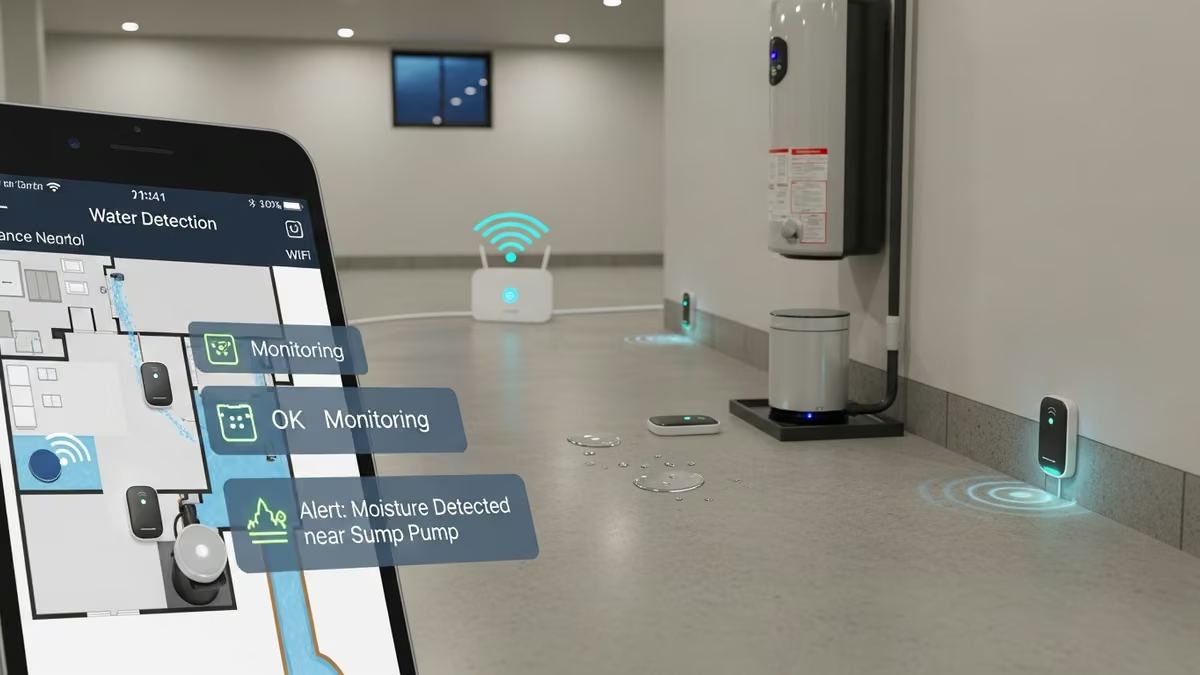
Water damage in basements and mechanical rooms can cost homeowners and business owners tens of thousands of dollars in repairs, mold remediation, and structural damage. The good news? Modern flood detection systems for basements can catch leaks and water intrusion before they become catastrophic. In this guide, we’ll walk you through how these systems work, why they matter, and how to choose the right solution for your property.
Why Flood Detection Systems Matter for Basements
Basements are particularly vulnerable to water damage because they’re below ground level. Whether it’s heavy rainfall, plumbing failures, sump pump malfunctions, or foundation cracks, water can enter your basement quickly and silently. By the time you notice standing water, significant damage may have already occurred.
A proactive basement flood detection system monitors for moisture 24/7, alerting you immediately when water is detected. This early warning gives you precious time to respond before minor leaks become major problems.
The Real Cost of Basement Flooding
- Structural damage: Water weakens foundations, compromises concrete, and damages load-bearing walls
- Mold growth: Moisture creates ideal conditions for toxic mold, posing health risks
- Electrical hazards: Water and electricity don’t mix—flooded basements can create fire and shock risks
- Property value loss: Water damage history significantly reduces resale value
- Inventory loss: For businesses, flooded mechanical rooms mean equipment replacement and operational downtime
How Flood Detection Systems Work
Modern water sensor systems use simple but effective technology to detect moisture before it becomes a flood. Here’s how they operate:
Sensor Detection & Placement
Water sensors are small, battery-powered devices placed in strategic locations throughout your basement or mechanical room. Common placement areas include:
- Near sump pump discharge lines
- Under water heaters and HVAC units
- Along foundation perimeter walls
- In floor drains and low-lying areas
- Around plumbing connections and shut-off valves
When water touches the sensor, it completes an electrical circuit and triggers an alert.
Real-Time Alerts & Notifications
Once a sensor detects moisture, the system sends immediate notifications to your smartphone, email, or monitoring center. This means you’re alerted even if you’re away from home or the office, allowing for rapid response.
Integration with Smart Home Systems
Advanced leak detection automation systems integrate with your broader smart home ecosystem. They can automatically trigger actions like:
- Shutting off main water supply to prevent further flooding
- Activating sump pumps or backup pumps
- Turning on dehumidifiers to prevent mold
- Logging data for insurance claims
Types of Water Sensor Systems for Basements
Not all basement flood detection systems are created equal. Here are the main types available:
Point Sensors
These are the most common and affordable option. Point sensors detect water at a specific location and are ideal for monitoring sump pump pits, under appliances, or near foundation walls. They’re easy to install and require minimal maintenance.
Cable Sensors
Cable sensors run along floors or walls and detect water anywhere along their length. They’re excellent for mechanical room monitoring where water could appear in multiple locations. Cable systems provide broader coverage than point sensors.
Smart Water Shut-Off Valves
These devices combine detection with automatic response. When water is detected, they automatically shut off your main water supply, preventing further flooding. This is one of the most effective forms of property water damage prevention.
Sump Pump Monitoring Systems
Specialized sensors monitor sump pump operation, battery backup status, and water levels. They alert you if the pump fails or if water rises above safe levels—critical for preventing basement flooding when your primary defense system malfunctions.
Key Features to Look for in a Flood Detection System
When evaluating flood detection systems for basements, prioritize these essential features:
24/7 Monitoring & Alerts
Your system should monitor continuously and send instant notifications via multiple channels (push notifications, SMS, email). This ensures you’re never caught off-guard, even at 3 AM.
Wireless Connectivity
Wireless sensors are easier to install and more flexible than hardwired systems. Look for systems with strong WiFi or cellular backup to ensure alerts reach you even if your internet goes down.
Battery Backup & Longevity
Sensors should have long battery life (typically 2-5 years) and low-battery alerts. Some systems include backup power supplies to keep monitoring active during power outages.
Professional Monitoring Options
Consider systems that offer professional 24/7 monitoring services. Monitoring centers can dispatch emergency responders or contact you immediately when water is detected, adding an extra layer of protection.
Smart Home Integration
The best systems integrate with popular smart home platforms like Apple Home, Google Home, or Alexa. This allows you to view sensor status, receive alerts, and automate responses through a unified app.
Common Causes of Basement Flooding & Detection Prevention
Understanding what causes basement flooding helps you position sensors strategically. Here are the most common culprits:
Heavy Rainfall & Groundwater Intrusion
During heavy storms, water can seep through foundation cracks or overwhelm drainage systems. Place sensors along foundation walls and in corners where water typically enters.
Sump Pump Failure
If your sump pump stops working, water accumulates rapidly. Dedicated sump pump sensors alert you to failures before flooding occurs, giving you time to call for repairs or activate a backup pump.
Plumbing Leaks & Burst Pipes
Aging pipes, frozen lines, or corrosion can cause sudden leaks. Sensors near water heaters, under sinks, and along plumbing runs catch these issues immediately.
HVAC Condensation & Drain Blockages
Air conditioning units and furnaces produce condensation. If drain lines back up, water can pool around equipment. Sensors under HVAC units provide early warning of drainage problems.
Appliance Failures
Water heaters, washing machines, and dehumidifiers can leak or rupture. Placing sensors nearby ensures you catch failures before they cause significant damage.
Installation & Placement Best Practices
Proper installation is critical for effective mechanical room monitoring and basement protection. Here’s how to do it right:
Professional Assessment
Start with a professional evaluation of your basement or mechanical room. A technician can identify vulnerable areas, assess water intrusion patterns, and recommend optimal sensor placement.
Strategic Sensor Placement
- Sump pump pit: Place a sensor in or near the pit to monitor water levels and pump operation
- Foundation perimeter: Install sensors along walls where water typically enters
- Equipment areas: Position sensors under water heaters, furnaces, and AC units
- Floor drains: Monitor drains that could back up during heavy water events
- Low-lying corners: Water naturally flows to the lowest points—don’t miss these areas
Accessibility & Maintenance
Install sensors where they’re accessible for testing and battery replacement. Avoid placing them in areas prone to dust or debris that could interfere with detection.
Integrating Flood Detection with Your Smart Home System
The most effective flood detection systems for basements don’t work in isolation. They’re part of a comprehensive smart home ecosystem that responds intelligently to threats.
Automated Response Workflows
Modern systems can trigger automated responses when water is detected:
- Water shut-off: Automatically close the main water valve to stop the source
- Pump activation: Start backup sump pumps or dehumidifiers
- Notifications: Alert you, your family, and emergency contacts simultaneously
- Logging: Record the event with timestamps and sensor data for insurance purposes
- Climate control: Adjust HVAC to reduce humidity and prevent mold growth
Remote Monitoring & Control
Check your basement’s status from anywhere using a mobile app. View real-time sensor data, receive alerts, and even trigger manual responses if needed. This peace of mind is invaluable, especially for property managers overseeing multiple buildings.
Flood Detection for Commercial Properties & Mechanical Rooms
Commercial buildings face unique challenges with mechanical room monitoring. These spaces house critical infrastructure—HVAC systems, electrical panels, server rooms, and water heaters—that can’t afford downtime.
Multi-Zone Monitoring
Commercial properties benefit from systems that monitor multiple zones simultaneously. This allows facility managers to track water conditions across basements, mechanical rooms, server closets, and other critical areas from a single dashboard.
Integration with Building Management Systems
Enterprise-grade flood detection systems integrate with building management systems (BMS) to coordinate responses across HVAC, electrical, and security systems. This ensures coordinated action when water threats are detected.
Compliance & Documentation
Commercial systems provide detailed logging and reporting for compliance purposes. Automated alerts and response documentation help meet insurance requirements and regulatory standards.
Maintenance & Testing of Your Flood Detection System
Installing a basement flood detection system is just the beginning. Regular maintenance ensures it works when you need it most.
Monthly Testing
Test each sensor monthly by simulating water contact (use a damp cloth or small amount of water). Verify that alerts are received on all configured devices and that any automated responses trigger correctly.
Battery Monitoring
Check battery levels quarterly. Most modern systems send low-battery alerts, but don’t rely on this alone. Keep spare batteries on hand and replace them before they’re completely depleted.
Sensor Cleaning
Dust and debris can interfere with sensor operation. Gently clean sensors every few months with a dry cloth. Avoid harsh chemicals that could damage the electronics.
System Updates
Keep your system’s firmware and app updated. Manufacturers regularly release updates that improve reliability, add features, and patch security vulnerabilities.
Combining Flood Detection with Other Water Damage Prevention Strategies
While flood detection systems for basements are essential, they work best as part of a comprehensive property water damage prevention strategy:
Sump Pump Systems
A quality sump pump removes water before it accumulates. Pair it with a flood detection system that monitors pump operation and water levels. Consider a backup pump for added redundancy.
Foundation Waterproofing
Seal cracks, apply waterproof coatings, and ensure proper grading around your foundation. These preventive measures reduce water intrusion, but detection systems provide a safety net if water still finds its way in.
Proper Drainage
Ensure gutters, downspouts, and drainage systems direct water away from your foundation. Clean gutters regularly and extend downspouts at least 4-6 feet from the house.
Regular Inspections
Schedule annual inspections of your basement, foundation, plumbing, and HVAC systems. Catch small problems before they become big ones.
Why Choose Professional Installation for Flood Detection Systems
While some homeowners attempt DIY installation, professional installation of water sensor systems offers significant advantages:
Expert Assessment
Professionals evaluate your specific property, identify vulnerabilities, and recommend optimal sensor placement. They understand water flow patterns and can predict where problems are most likely to occur.
Proper Integration
Professional installers ensure your flood detection system integrates seamlessly with your existing smart home infrastructure, security systems, and automation platforms. This prevents compatibility issues and ensures coordinated responses.
Ongoing Support
Professional installation typically includes ongoing support, maintenance, and monitoring services. If something goes wrong, you have expert help available 24/7.
Insurance & Warranty
Professional systems often come with warranties and may qualify for insurance discounts. Some insurance companies offer premium reductions for homes with monitored flood detection systems.
Getting Started with Flood Detection for Your Property
Ready to protect your basement or mechanical room from water damage? Here’s how to get started:
Step 1: Assess Your Risk
Evaluate your property’s vulnerability to flooding. Consider your location’s climate, foundation age, drainage systems, and history of water issues. This assessment guides your system selection.
Step 2: Consult with Professionals
Contact a smart home integration specialist to discuss your needs. They can recommend appropriate flood detection systems for basements and explain how they integrate with your home or business.
Step 3: Choose Your System
Select a system that matches your budget, property size, and integration preferences. Consider whether you want professional monitoring, automated responses, or both.
Step 4: Professional Installation
Have your system professionally installed and tested. Ensure all sensors are properly placed, alerts are configured, and you understand how to use the system.
Step 5: Ongoing Maintenance
Establish a maintenance schedule for testing, battery replacement, and system updates. Regular maintenance ensures your system remains reliable year-round.
Yanke Digital: Your Smart Home Water Protection Partner
At Yanke Digital, we specialize in designing and installing comprehensive smart home and commercial automation systems—including advanced flood detection systems for basements and mechanical rooms. We understand that water damage is one of the most costly threats to residential and commercial properties.
Our approach goes beyond simply installing sensors. We design complete leak detection automation systems that integrate with your broader smart home ecosystem, providing coordinated protection and response. Whether you need basement flood detection for a residential home, mechanical room monitoring for a commercial building, or comprehensive property water damage prevention for a multi-dwelling property, we have the expertise and technology to protect what matters most.
We work with industry-leading platforms and devices, ensuring your flood detection system integrates seamlessly with your existing smart home setup. Our team provides professional installation, comprehensive testing, and ongoing support to keep your system running reliably.
Learn more about our smart home and commercial automation solutions, or explore our complete range of security and environmental monitoring services.
Conclusion: Protect Your Property Today
Water damage doesn’t announce itself. By the time you notice a problem, thousands of dollars in damage may have already occurred. Modern flood detection systems for basements provide the early warning and automated response you need to prevent costly disasters.
Whether you’re protecting a residential basement, commercial mechanical room, or multi-dwelling property, a professionally designed and installed flood detection system is one of the smartest investments you can make. Combined with proper maintenance, good drainage, and regular inspections, these systems provide comprehensive property water damage prevention that gives you peace of mind.
Don’t wait for water damage to strike. Contact Yanke Digital today to schedule a consultation and learn how we can design a custom flood detection solution for your property.